Package Price
Duration
Max People
Min Age
Tour Type
Reviews
No reviews yetOverview
Starting from USD 10,840 per person.
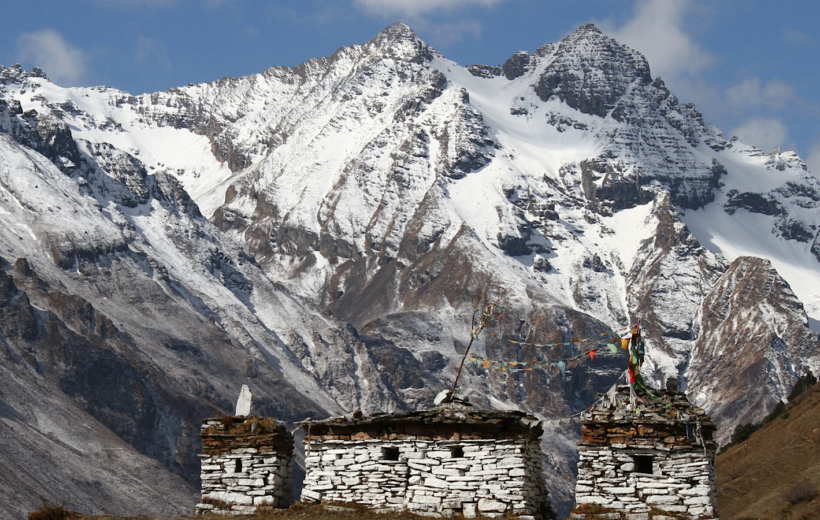
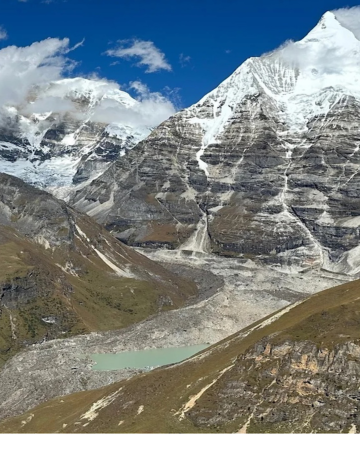
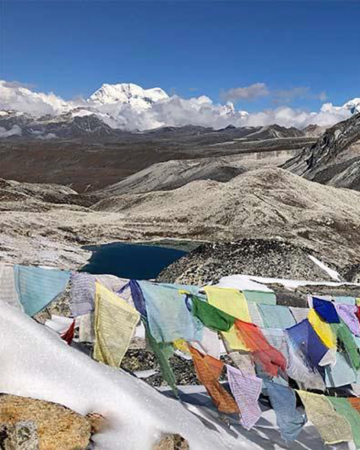
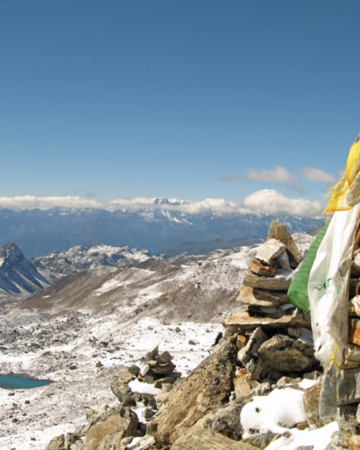
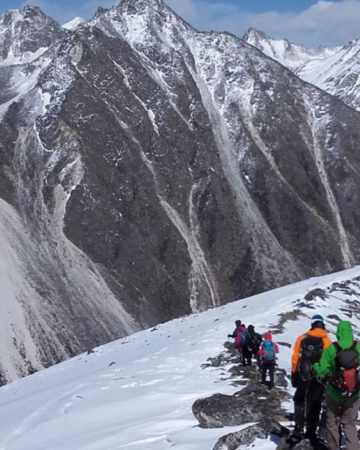
Widely regarded as one of the world’s most challenging and rewarding treks, the Snowman Trek takes you deep into Bhutan’s most remote and pristine landscapes. Crossing high mountain passes above 5,000 meters, this extraordinary journey offers breathtaking views of Himalayan giants such as Jomolhari and Gangkhar Puensum, while immersing you in the unique cultures of isolated highland communities like Laya and Lunana.
Tour Highlights
- One of the world’s toughest and most exclusive treks
- Cross multiple high passes above 5,000 meters
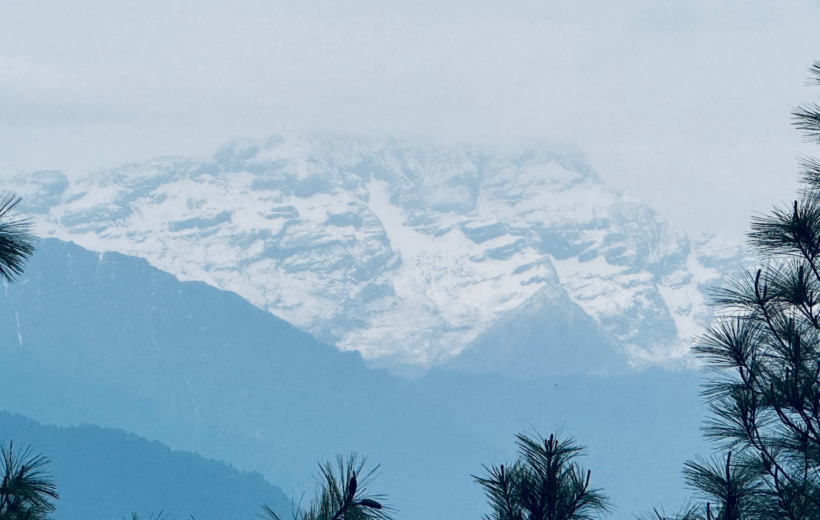
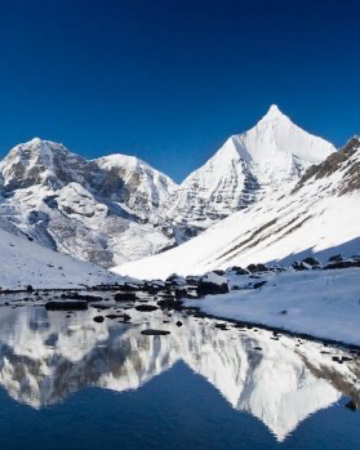
- Stunning views of Jomolhari, Jichu Drake & Gangkhar Puensum
- Explore remote regions like Laya and Lunana
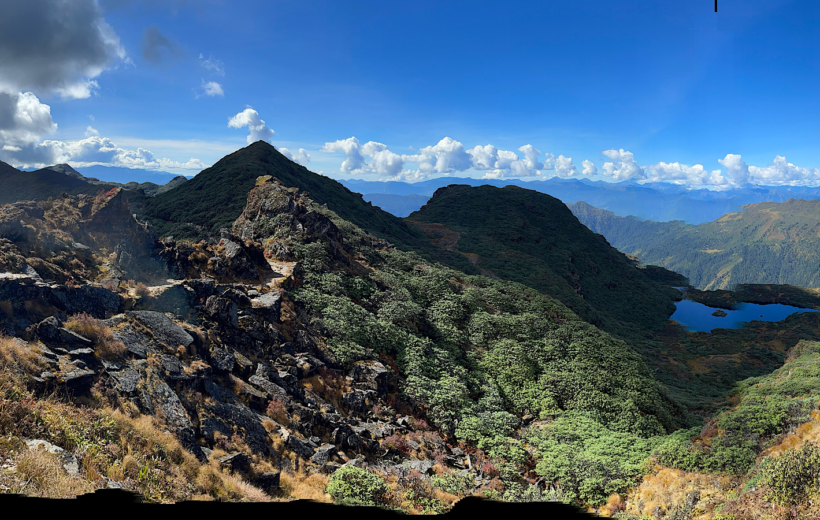
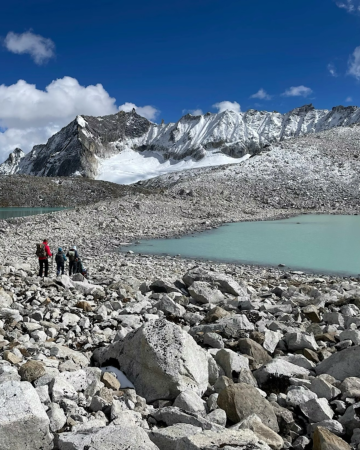
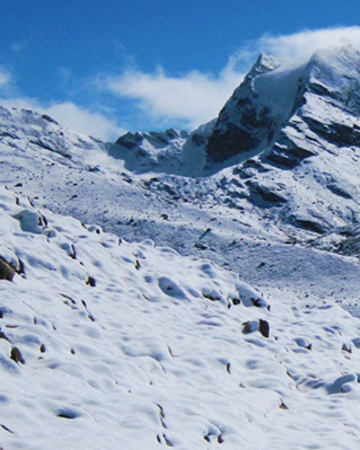
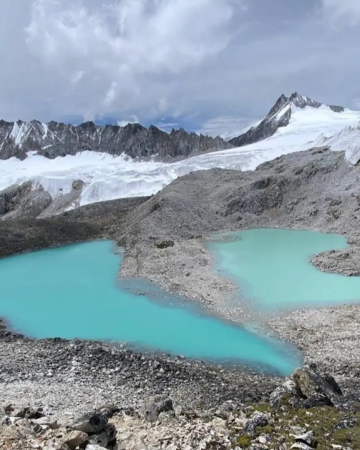
- Pristine alpine lakes, glaciers, and untouched wilderness
- Unique cultural encounters with highland communities
What's Included & Excluded
- 3-star certified hotels before/after trek, with 4-star and 5-star upgrades available on request, plus camping during trek days
- All meals throughout the trip
- Safe drinking water during the trek days
- Private transportation throughout the trip, including airport transfers
- Licensed trekking guide and experienced support crew
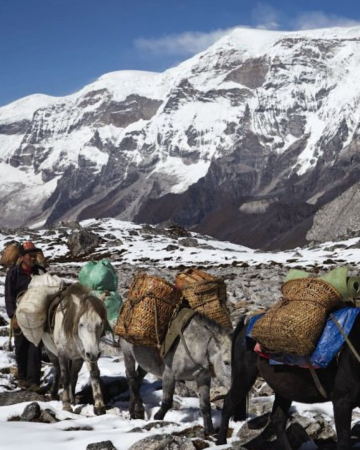
- Horse / porter support for transportation of luggage and camping equipment during the trek
- Camping equipment during trek days
- Trek permits and campsite entry fees
- Bhutan visa processing fee (USD 40 per person, one-time)
- Sustainable Development Fee (SDF): USD 100 per person per night
- International and domestic airfare
- Travel insurance (mandatory)
- Personal trekking gear (sleeping bag, hiking boots, jackets, trekking poles, gloves, etc)
- Personal expenses (shopping, laundry, tips, souvenirs, etc.)
- Snacks / personal beverages
- Tips for guide / crew
- Emergency evacuation / rescue costs
- Additional costs due to weather delays, route changes, road closures, flight disruptions, or other unforeseen circumstances beyond our control
Tour Plan
Day 1: Paro — Gunitsawa — Sharna Zampa
Drive to the trek start point and begin a gentle hike along the Paro Chhu valley.
Overnight at camp
Day 2: Sharna Zampa – Soi Thangthangkha
Follow the river through forests and meadows with gradual ascents and descents.
Overnight at camp
Day 3: Soi Thangthangkha – Jangothang Base Camp
Trek through alpine landscapes with views of Mount Jomolhari.
Overnight at camp
Day 4: Rest Day at Jangothang Base Camp
Acclimatization day with optional hikes and stunning mountain views.
Overnight at camp
Day 5: Jangothang — Lingshi
Cross Nyile La Pass with panoramic Himalayan vistas.
Overnight at camp
Day 6: Lingshi – Chebisa
Short trek past Lingshi Dzong and traditional villages.
Overnight at camp
Day 7: Chebisa – Shomuthang
Climb through wide pastures toward Gobu La.
Overnight at camp
Day 8: Shomuthang – Robluthang
Cross Jhari La with views of Kang Bum peak.
Overnight at camp
Day 9: Robluthang – Limithang
Traverse high passes including Sinche La (5,005 m).
Overnight at camp
Day 10: Rest Day at Laya
Explore the unique highland culture of Laya village.
Overnight at camp
Day 11: Laya – Rhoduphu
Gradual ascent along river valleys with expansive mountain scenery.
Overnight at camp
Day 12: Rhoduphu – Narithang
High-altitude trek with views of Jomolhari and Jichu Drake.
Overnight at camp
Day 13: Narethang – Tarina
Cross Gangla Karchung La (5,120 m) with spectacular vistas.
Overnight at camp
Day 14: Tarina – Woche
Descend through forests and river valleys to remote settlements.
Overnight at camp
Day 15: Woche – Lhedi
Climb Keche La Pass and continue through scenic landscapes.
Overnight at camp
Day 16: Lhedi – Thanza
Trek past traditional Lunana villages with views of Table Mountain.
Overnight at camp
Day 17: Rest Day at Thanza
Explore village life or hike to nearby viewpoints.
Overnight at camp
Day 18: Thanza – Danji
Ascend gradually through remote high-altitude terrain.
Overnight at camp
Day 19: Danji – Tshorim (Tshochena)
Cross Jaze La (5,150 m) with sweeping mountain views.
Overnight at camp
Day 20: Tshorim — Jichu Dramo
Follow glacial lakes and ridgelines with dramatic scenery.
Overnight at camp
Day 21: Jichu Dramo – Chukarpo
Climb Rinchen Zoe La (5,320 m), one of the highest passes.
Overnight at camp
Day 22: Chukarpo – Thampe Tsho
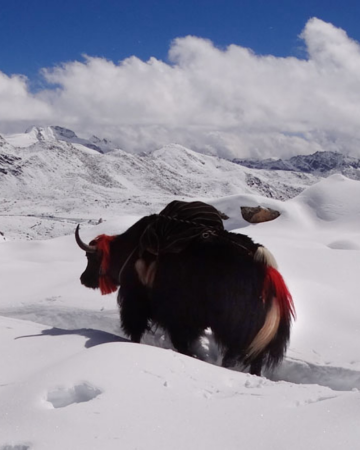
Descend through yak pastures to a beautiful alpine lake.
Overnight at camp
Day 23: Thampe Tsho – Maurothang
Cross Thampe La and pass sacred lakes en route.
Overnight at camp
Day 24: Maurothang — Sephu — Paro
Final descent to Sephu, followed by a scenic drive to Paro.
Overnight in Paro
Departure
Transfer to Paro International Airport for your onward journey.
A final detailed itinerary will be provided upon booking confirmation.
Tour Map
Frequently Asked Questions
Bhutan is a year-round destination. There are four seasons: summer (June to August), autumn (September to November), winter (December to February) and spring (March to May). But because of the range of altitudes in the country, and the influence of the north Indian monsoons, the climate is incredibly varied.
In the south, the humid, subtropical climate is fairly consistent year-round, with temperatures between 15oC and 30oC. Central Bhutan, with its temperate forests, has a more seasonal climate, with warm summers and cool, dry winters. The northern regions are much colder during winter. Because of the high altitude, mountain peaks are snowy year-round and the lower reaches remain cool in summer.
In summer, the Indian monsoon season runs from late June or July to late September, mostly affecting the southern regions. Most farming activities take place in the summer, when crops thrive in verdant landscapes.
Autumn, from late September or early October to late November, follows the rainy season. It is characterised by bright, sunny days and some early snowfall at higher elevations. It’s the season of feasts and festivals as farmers reap the fruits of their work.
From late November until March, the crisp, clear and sunny winter sets in, with frost throughout much of the country and snowfall common above elevations of 3,000 metres. The winter northeast monsoon brings gale-force winds at the highest altitudes through high mountain passes, giving Bhutan the name Drukyul, which means Land of the Thunder Dragon in Dzongkha (Bhutan’s national language).
Bhutan’s generally dry spring starts in early March and lasts until mid-April. It is a botanist’s delight, with nature in full bloom. Summer weather commences in mid-April with occasional showers and continues to late June.
Visitors of all nationalities, except those from India, require a visa before entering Bhutan. For all visitors, except those from Bangladesh and the Maldives, this visa must be applied for and approved in advance of travel. Visitors from Bangladesh and the Maldives also require a visa, but this can be applied for and approved either in advance of travel or upon arrival in Bhutan.
Visitors from India are able to apply for a permit but are required to hold an Indian passport or an Indian voter ID card. For Indian nationals under the age of 18, a passport or a birth certificate can be used to enter and they must be accompanied by a legal guardian.
Nationals from Switzerland and Thailand holding diplomatic or government-official passports are eligible for a visa at their port of entry.
A correctly input visa application can take up to five days to process.
There is a one-off fee of US$40 for the processing of your application. This is payable at the same time as your Sustainable Development Fee (SDF), as part of the process of submitting your visa application.
All treks must be undertaken with an accredited tour operator or guide. Your tour operator will assist you with all the necessary logistics and safety precautions.
Please contact our hosts for the Department of Tourism’s list of approved tourism services.
The Sustainable Development Fee (SDF) is a daily levy paid by visitors to support Bhutan’s development. Since the kingdom first opened its doors in 1974, guests have played a critical role in our country’s growth.
The SDF is collected by the national exchequer and funds are allocated to various projects that create long-term, sustainable opportunities for the Bhutanese people, through free healthcare, education and training, upskilling the tourism and hospitality industry, improved infrastructure, environmental preservation and conservation, cultural preservation programmes and initiatives that support local businesses and economies. The SDF is also a vital means of maintaining the exceptional forest cover and carbon-neutrality for which our small nation is world-renowned and globally critical. The SDF also helps us to ensure that we can continue to offer guests tranquillity and an intimate experience.
The SDF is USD 100 per night for adults from all countries except for India. Children aged between 6 years and who have not yet turned 12 are eligible to pay USD 50 per night. Children who have not yet turned 6 years old do not have to pay any SDF.
The SDF for Indian nationals (showing a valid Indian passport or Voter ID card) is Nu. 1,200 (or the equivalent amount in Indian rupees) per person, per night. Children aged between 6 years and who have not yet turned 12 are eligible to pay Nu./INR 600 per night. Children who have not yet turned 6 years old do not have to pay any SDF.
SIM cards can be purchased from the Paro International Airport’s visitor information centre on arrival, or from branch offices of Bhutan Telecom and TashiCell, or from authorised agents in towns.
There are no rules about what visitors should wear. However if you are planning to visit places of religious significance, respectful smart-casual clothing that covers your body from shoulders to knees is appropriate and appreciated.
Yes, permits are required to enter National Parks in Bhutan. However the process can be done online and the permit should be issued quickly. Please visit this link for more information: https://docs.google.com/forms/d/e/1FAIpQLScM4k5SPaGI_GnV6NJuQHstpS5ai9G4wOlpLSq0fsy73EZK7A/viewform
While most monuments in Bhutan are free, some are chargeable. For the full list of monument fees, please click here for more information. Children below 18 years will have a 50% concession and children aged five years and below will be exempted. Most monuments are open from 9am – 5pm each day. In June 2023 it was announced that foreign visitors can now visit monuments whenever they are open to the general public, without any restrictions.
You may like