Bhutan is a unique Himalayan destination, and the journey to the country is part of the experience. Whether you arrive by air or travel overland from India, there are several ways to enter Bhutan. Understanding the available routes can help you plan your journey more comfortably and choose the option that best suits your travel plans.
By Air: The Most Popular and Convenient Entry Point
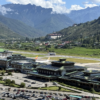
Flying is the easiest and most convenient way to reach Bhutan for most international travellers. Paro International Airport, located about 30 minutes from Bhutan’s capital, Thimphu, is the country’s only international airport. Surrounded by steep Himalayan mountains, Paro is known for being one of the world’s most challenging airports to land at. The spectacular mountain scenery during the approach makes arriving in Bhutan a memorable experience.
Two Bhutanese airlines operate international flights: Drukair and Bhutan Airlines. Direct flights connect Bhutan with several cities in the region, including Bangkok, Kathmandu, New Delhi, Kolkata, Guwahati, Dhaka, Yangon, and Singapore, depending on the current flight schedule.
Because flights to Bhutan are limited and demand can be high during popular travel periods, especially during spring and autumn, it is advisable to book your flights well in advance. Travellers arriving by air can enjoy spectacular Himalayan views during the flight, including breathtaking mountain landscapes and, on suitable routes and weather conditions, views of some of the region’s highest peaks.
By Road: Entering Bhutan from India
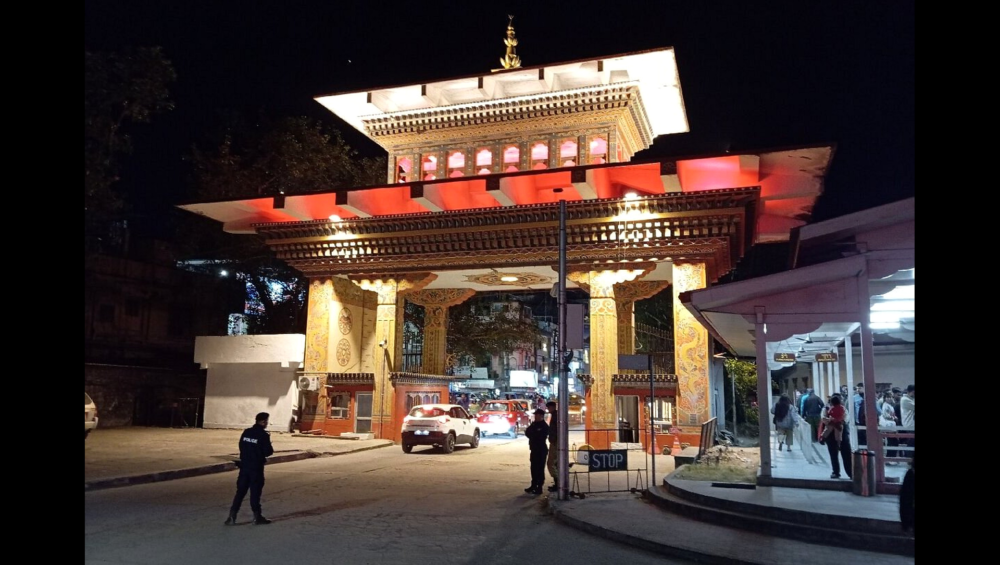
Travellers coming from India can also enter Bhutan by road through the country’s official land entry points. This option can be particularly convenient for visitors travelling from nearby Indian cities and is also a great way to experience the changing landscapes as you travel into Bhutan. Bhutan currently has four official road entry points from India: Samtse, Phuentsholing, Gelephu, and Samdrup Jongkhar.
Jaigaon–Phuentsholing
Jaigaon–Phuentsholing is the busiest and most frequently used land entry point. Jaigaon is located in West Bengal, India, while Phuentsholing is Bhutan’s main commercial gateway in the south.
From Phuentsholing, the drive to Thimphu takes approximately 5–6 hours, depending on road and traffic conditions. This route is particularly popular with travellers arriving from Indian cities such as Siliguri, Darjeeling, and Bagdogra.
Gelephu
Gelephu is another important land entry point in south-central Bhutan. Located in a subtropical region, it provides an alternative gateway for travellers entering Bhutan by road.
The drive from Gelephu to Thimphu takes approximately 8–10 hours, depending on road conditions and stops along the way. The journey offers travellers an opportunity to experience Bhutan’s changing landscapes, from the warmer southern foothills towards the Himalayan interior.
Samdrup Jongkhar
Samdrup Jongkhar is located in southeastern Bhutan and is particularly convenient for travellers arriving from Assam and other parts of northeastern India.
From the border, the journey towards Thimphu takes several hours and provides a scenic introduction to Bhutan as the landscape gradually changes from the subtropical south towards the country’s mountainous interior.
Samtse
Samtse is another official land entry point in southwestern Bhutan. While it is less commonly used by international tourists than Phuentsholing, Gelephu, and Samdrup Jongkhar, it provides another option for travellers entering Bhutan from India.
Cost of Travel to Bhutan: Understanding the Current Pricing System
Bhutan’s tourism system combines the cost of travel services with a Sustainable Development Fee (SDF), which contributes to the country’s sustainable development, environmental conservation, cultural preservation, and community initiatives.
For most international visitors, the current SDF is USD 100 per person per night for adults, with concessionary rates applying to children. The SDF is separate from the cost of accommodation, transportation, meals, guide services, and other travel arrangements.
Travellers should also be aware that a one-time, non-refundable visa application fee of USD 40 applies to visitors who require a Bhutanese visa. Visitors from India, Bangladesh, and the Maldives follow separate visa or permit procedures and applicable fee arrangements.
The SDF supports Bhutan’s efforts to preserve its natural environment, cultural heritage, and unique way of life while promoting sustainable tourism. This approach allows visitors to experience Bhutan while contributing to the long-term well-being of the country and its communities.
Because the cost of a Bhutan trip depends on factors such as accommodation category, transportation, guide services, meals, activities, length of stay, and the applicable SDF, travellers should consider the complete cost of their itinerary when planning their budget.
How to Travel to Bhutan: Choosing the Best Way to Enter Bhutan
For most international visitors, flying into Paro is the most convenient option, particularly for travellers arriving from destinations connected directly to Bhutan by air.
For travellers already visiting India, entering Bhutan by road can be an excellent alternative. It allows you to experience a gradual transition from the plains of India into Bhutan’s foothills and mountains, making the journey itself part of the adventure.
Whichever route you choose, planning ahead is important, especially during Bhutan’s popular spring and autumn travel seasons. Flight availability, road conditions, accommodation, and entry procedures can vary, so checking the latest information before travelling is always recommended.
For the latest information on entering Bhutan by air or road, travellers can refer to the official Bhutan Travel website.
Planning a trip to Bhutan? Explore our Bhutan tour packages or contact Prestige Travel Bhutan for a personalized itinerary tailored to your interests, travel dates, and budget.