Bumthang – Spiritual Heart of Bhutan

Bumthang, often regarded as the spiritual heart of Bhutan, is a region of profound religious significance, scenic beauty, and timeless cultural heritage, comprising four picturesque valleys dotted with ancient temples and monasteries.

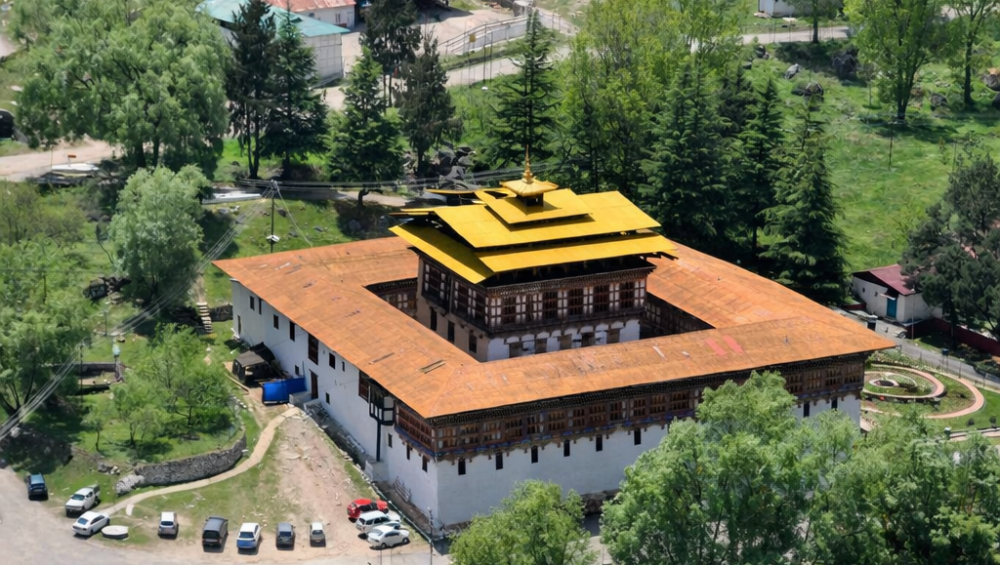
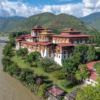
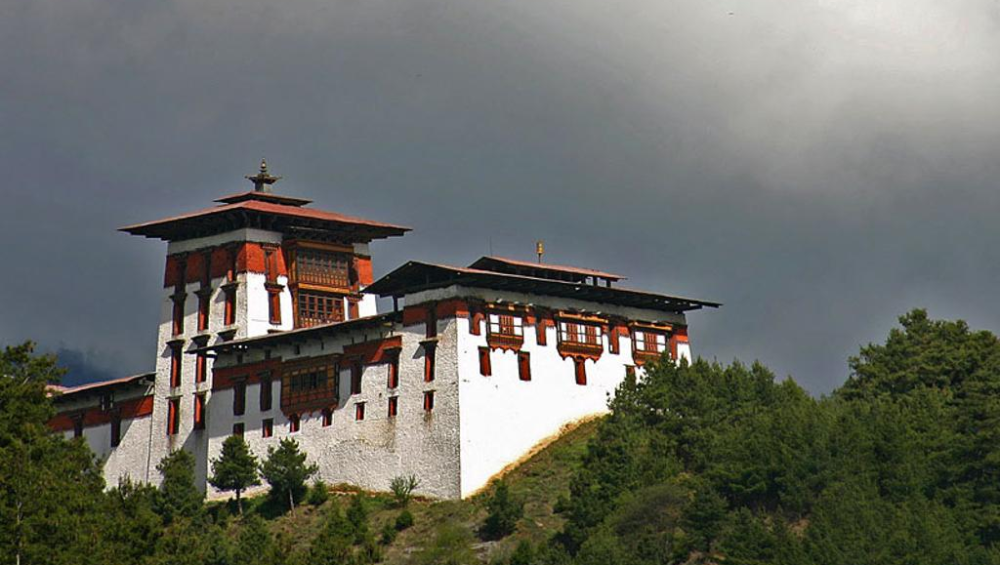
At its center stands the impressive Jakar Dzong (fortress-monastery), also known as the “Castle of the White Bird,” which overlooks the valley and serves as an important administrative and monastic center, while nearby lies the sacred Kurjey Lhakhang, one of Bhutan’s most revered pilgrimage sites where Guru Rinpoche is believed to have meditated, leaving his body imprint on a rock.

Surrounded by peaceful countryside, traditional villages, and numerous other holy sites, Bumthang offers a deeply spiritual and authentic experience, making it a must-visit destination for those seeking to explore Bhutan’s rich religious traditions and serene landscapes.

Haa Valley – Hidden Gem of Bhutan

Haa Valley, often described as one of Bhutan’s most pristine and least-visited regions, offers an untouched and authentic travel experience surrounded by forested mountains, traditional villages, and serene landscapes.

The journey to Haa is highlighted by crossing the breathtaking Chelela Pass, the highest motorable pass in Bhutan, adorned with colorful prayer flags and offering panoramic views of the Himalayan ranges, including Mount Jomolhari on clear days.

Within the valley lies the historic Haa Dzong, an important administrative and monastic center that reflects traditional Bhutanese architecture, as well as the sacred twin temples of Lhakhang Karpo (White Temple) and Lhakhang Nagpo (Black Temple), which hold deep spiritual significance and are associated with ancient legends. With its peaceful environment, rich cultural heritage, and stunning natural beauty, Haa Valley is a perfect destination for travelers seeking tranquility and an authentic journey through Bhutan’s hidden and less-explored landscapes.

Phobjikha Valley – Nature & Black-Necked Crane

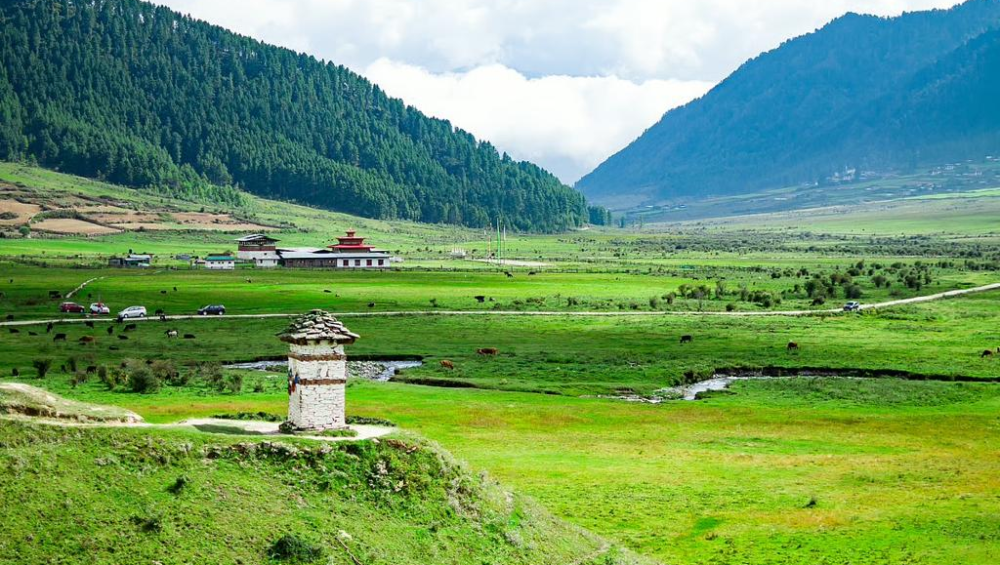
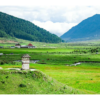
Phobjikha Valley is one of Bhutan’s most serene and picturesque destinations, known for its wide glacial landscapes, untouched natural beauty, and as the winter home of the rare and graceful black-necked cranes that migrate from Tibet each year.

Nestled within this tranquil valley is the historic Gangtey Monastery, a prominent spiritual center perched on a hilltop, offering sweeping views of the valley and a peaceful atmosphere for reflection.

The region is also renowned for its scenic nature trails that wind through pine forests, traditional villages, and open meadows, allowing visitors to immerse themselves in the quiet charm of rural Bhutan while observing rich biodiversity, making Phobjikha Valley an ideal destination for nature lovers, bird watchers, and those seeking a calm and rejuvenating experience away from the bustle of city life.

Punakha – Valley of Beauty

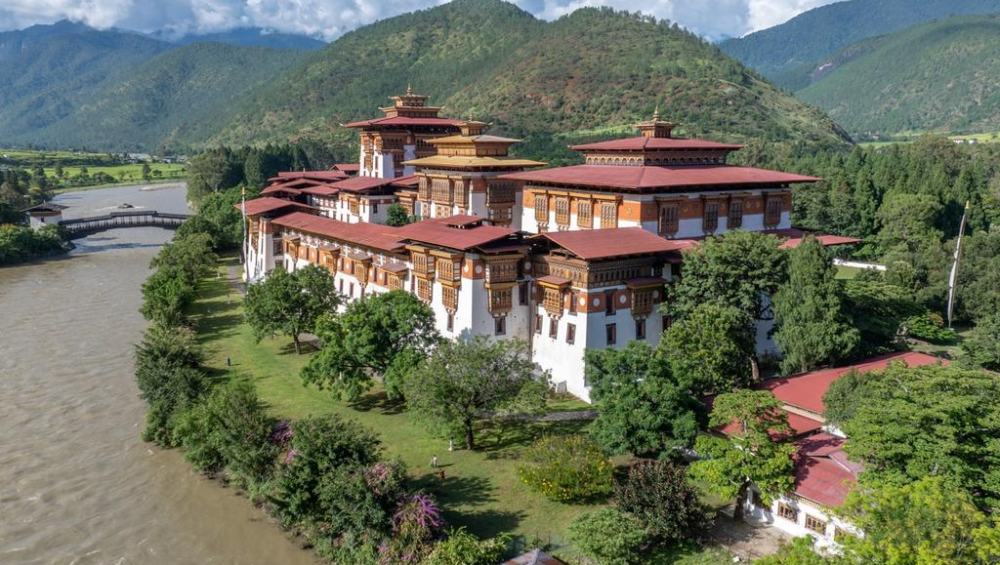
Punakha, often regarded as one of the most beautiful valleys in Bhutan, enchants visitors with its warm climate, fertile landscapes, and rich cultural heritage set amidst the confluence of two rivers. At the heart of the valley stands the magnificent Punakha Dzong (fortress-monastery), majestically located between the Pho Chhu and Mo Chhu rivers and renowned for its stunning architecture and historical significance as the former capital of Bhutan.

On the way to Punakha, travelers pass through the breathtaking Dochula Pass (3,100 meters), adorned with 108 chortens and offering panoramic views of the Himalayan ranges on clear days. Adding to the adventure is the iconic Punakha Suspension Bridge, one of the longest in Bhutan, providing an exhilarating walk above the river with picturesque surroundings, while a scenic hike through rice fields leads to the serene Khamsum Yulley Namgyal Chorten, a beautifully constructed temple perched on a hilltop that offers sweeping views of the valley, making Punakha a perfect blend of natural beauty, spiritual significance, and unforgettable experiences.

Thimphu – Capital City Experience

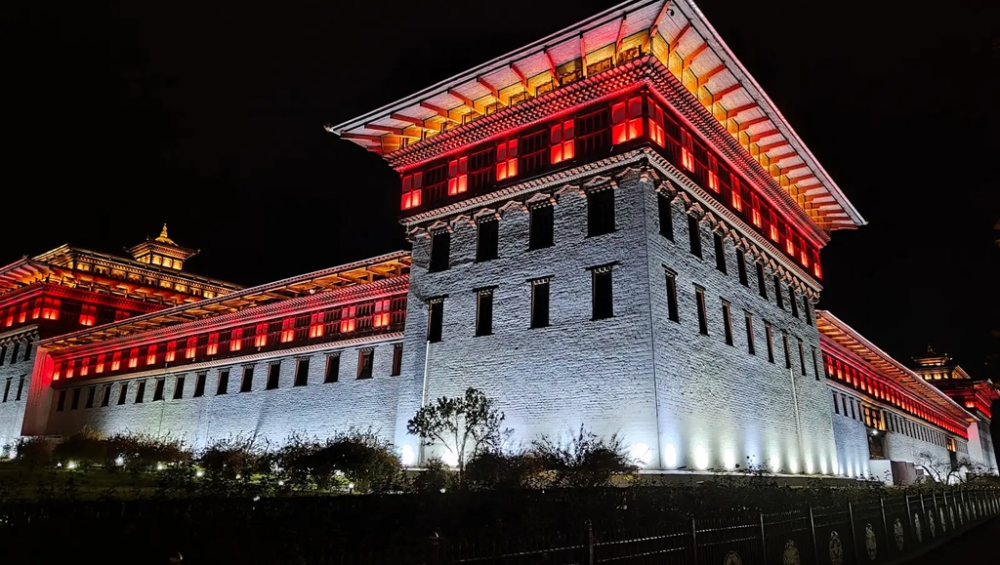
Thimphu, the capital city of Bhutan, offers a unique blend of tradition and modernity, where ancient culture coexists harmoniously with contemporary development. Nestled in a scenic valley, the city is home to some of Bhutan’s most significant landmarks, including the impressive Tashichho Dzong (fortress-monastery), a grand fortress that serves as the seat of the government and the central monastic body, showcasing magnificent Bhutanese architecture and spiritual importance.

Overlooking the valley is the Buddha Dordenma, one of the largest Buddha statues in the world, offering panoramic views and a serene atmosphere for reflection, while the sacred Memorial Chorten stands as a spiritual hub where locals gather daily to pray and circumambulate, providing visitors with a deep insight into Bhutanese religious life, making Thimphu an essential destination for experiencing the cultural heart and living traditions of Bhutan.

Paro – The Must-Visit Destination

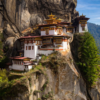
Paro is one of Bhutan’s most iconic and culturally rich destinations, offering a perfect blend of breathtaking landscapes, spiritual heritage, and historical significance. Surrounded by lush valleys and traditional villages, it is home to some of the country’s most treasured landmarks, including the legendary Tiger’s Nest Monastery, dramatically perched on a cliff and revered as a sacred site where Guru Rinpoche meditated in the 8th century, accessible via a scenic and rewarding hike through pine forests.

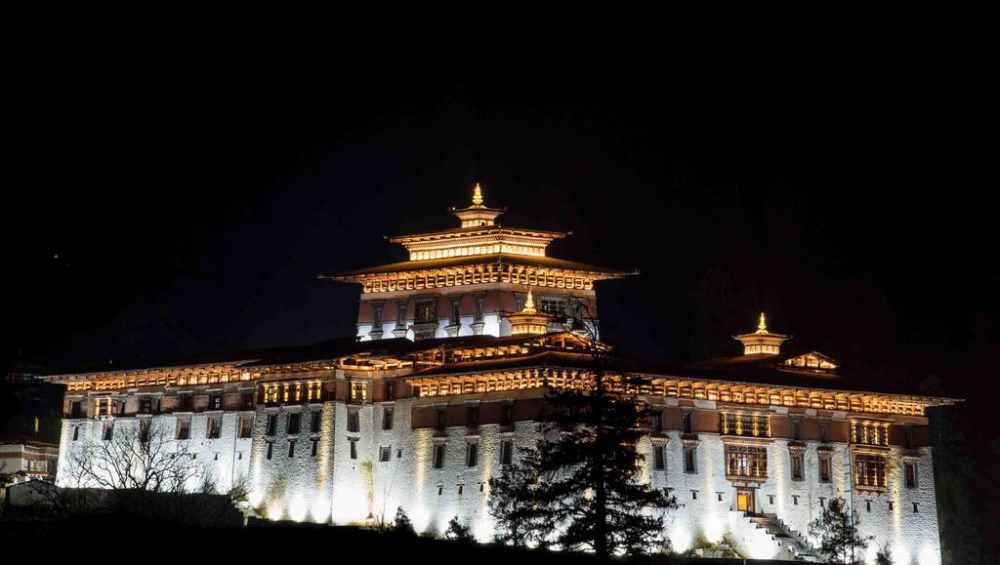
Overlooking the valley is the majestic Rinpung Dzong (fortress-monastery), a stunning example of Bhutanese architecture that serves as both a religious and administrative center and hosts vibrant cultural festivals, while above it stands Ta Dzong, a former watchtower now transformed into the National Museum, housing a rich collection of artifacts that showcase Bhutan’s unique history and traditions together, these remarkable sites make Paro an essential and unforgettable highlight of any journey to Bhutan.