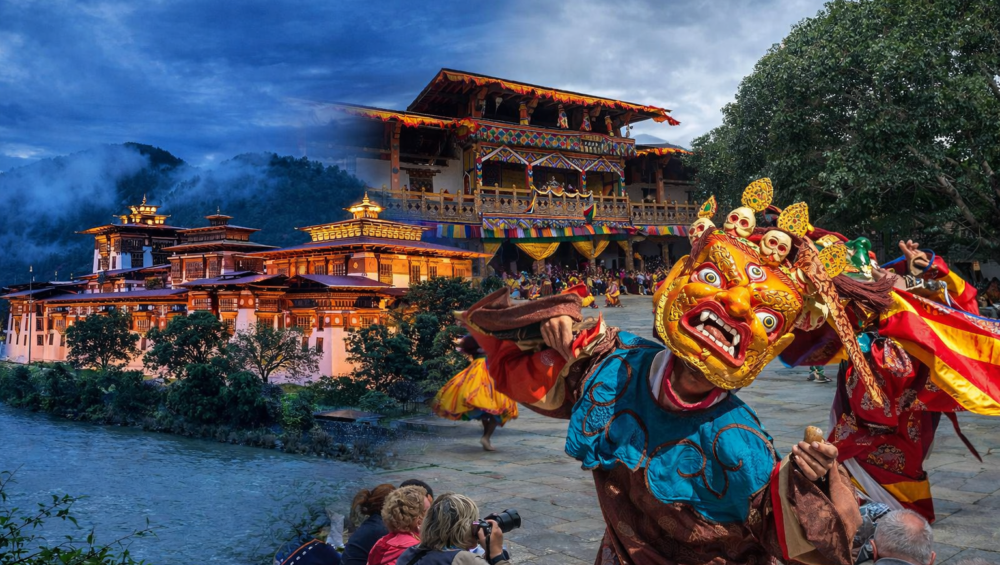
Punakha Drubchen & Punakha Tshechu: A Spectacular Winter Festival Experience in Bhutan

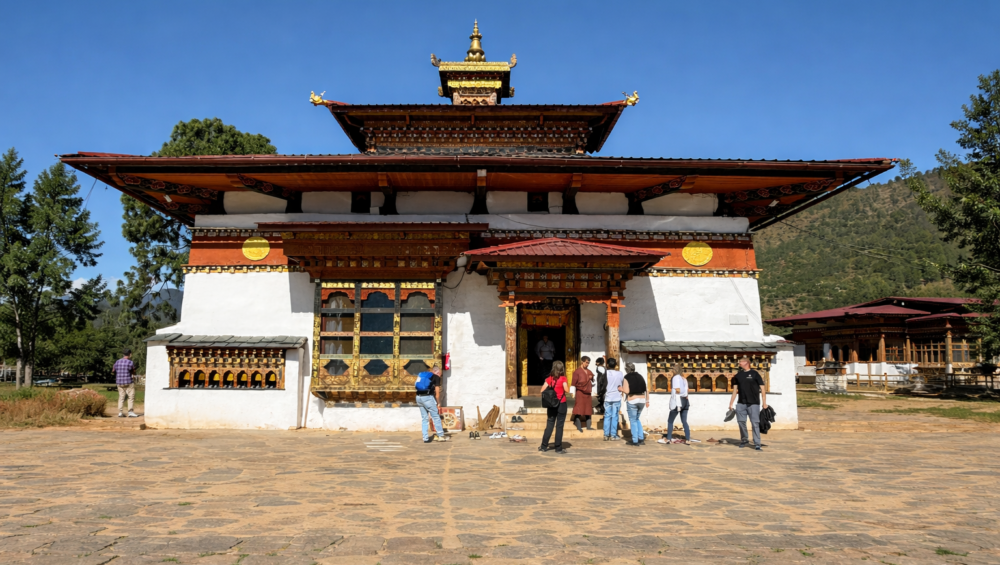
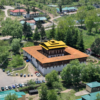
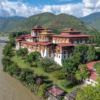
Bhutan’s cultural calendar comes alive in winter with the grand celebrations of Punakha Drubchen and Punakha Tshechu, held at the majestic Punakha Dzong, one of the most beautiful fortresses in the Himalayas. These festivals offer visitors a rare opportunity to witness Bhutan’s living heritage in an authentic and immersive way.

Punakha Drubchen (Tentative: 24th–26th February)

Punakha Drubchen is a dramatic historical reenactment that commemorates Bhutan’s victory over Tibetan invasions in the 17th century, led by Zhabdrung Ngawang Namgyel. Local men dress as warriors and recreate the ancient battle scenes within the dzong courtyard, accompanied by traditional music and rituals.

This festival is deeply spiritual and historically significant, offering insight into Bhutan’s unity, courage, and devotion.

Punakha Tshechu (Tentative: 27th February–1st March)

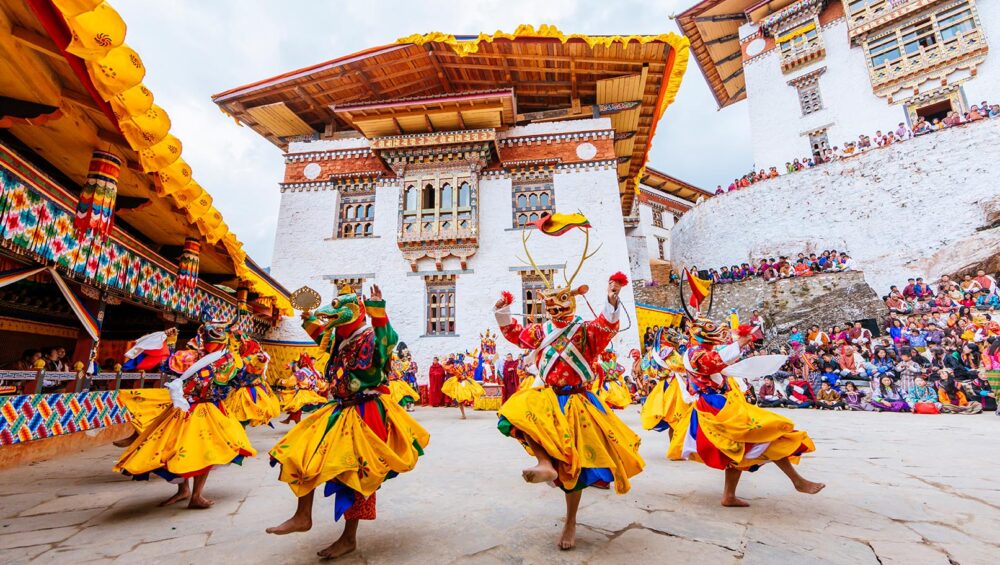
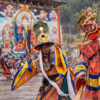
Following the Drubchen, Punakha Tshechu unfolds with vibrant masked dances (Cham), colorful costumes, sacred rituals, and blessings. Performed by monks and lay dancers, these dances symbolize the triumph of good over evil and are believed to purify sins and bring good fortune.

The festive atmosphere attracts locals from nearby valleys, making it an ideal time for cultural interaction and photography.

Why Visit with Prestige Travel Bhutan

At Prestige Travel Bhutan, we curate festival journeys that go beyond sightseeing. Our expert local guides provide cultural interpretation, ideal viewing arrangements, and seamless travel planning, ensuring you experience the festivals respectfully and comfortably. We also combine Punakha festivals with scenic hikes, farmhouse lunches, and visits to nearby monasteries for a complete Bhutanese experience.

Plan Your Festival Journey

February is one of the best times to visit Punakha, with pleasant weather and blooming landscapes. Due to limited accommodation and high demand during festival dates, early planning is highly recommended.

Experience Bhutan’s history, spirituality, and celebration with Prestige Travel Bhutan — where every journey is crafted with authenticity and care.

Tiger’s Nest Monastery: History, Hiking Tips & Visitor Information

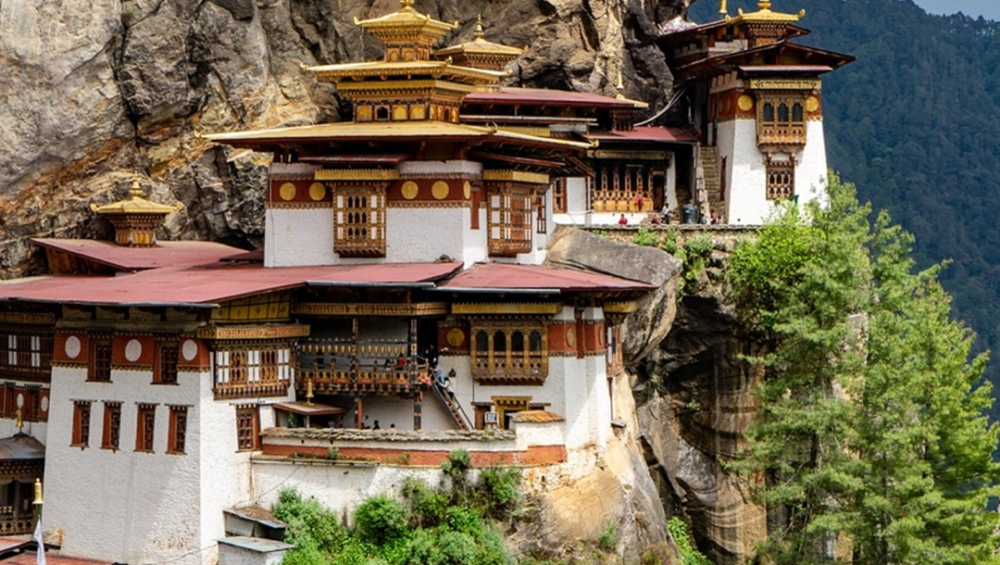
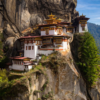
Perched dramatically on a cliff face at about 3,120 meters above sea level, Tiger’s Nest Monastery, locally known as Paro Taktsang, is Bhutan’s most revered religious site and one of the country’s most iconic landmarks. Overlooking the Paro Valley, the monastery is not only a spiritual centre but also a symbol of Bhutan’s deep-rooted Buddhist heritage.

A Brief History Tiger’s Nest Monastery is believed to have been established in 1692, built around a sacred cave where Guru Rinpoche (Padmasambhava) meditated in the 8th century. According to legend, Guru Rinpoche flew to this location on the back of a tigress, giving the monastery its famous name. The site has since been a place of pilgrimage and meditation for monks and devotees. Despite damage from a fire in 1998, the monastery was meticulously restored and continues to stand as a testament to Bhutanese craftsmanship and devotion.

Hiking to the Monastery

Reaching Tiger’s Nest requires a moderate uphill hike that typically takes 2.5 to 3 hours one way, depending on pace and fitness level. The trail begins at the base in Paro and winds through pine forests adorned with prayer flags.

Hiking tips:

  • Wear comfortable walking shoes with good grip
  • Carry water and light snacks •

 Walk at a steady pace and take breaks as needed

  • Horses are available for hire up to the halfway point The viewpoint cafeteria about midway offers stunning views and a good rest stop before the final climb.

Visitor Information

  • Opening hours: Generally, from morning to afternoon (exact timing may vary by season and religious events)
  • Best time to visit: Spring (March–May) and Autumn (September–November) for clear views and pleasant weather
  • Dress code: Modest clothing is required; long pants and covered shoulders are recommended
  • Photography: Not allowed inside the monastery

Visitors should be prepared for security checks at the entrance and must leave bags, cameras, and phones before entering the inner sanctums.

Final Thoughts

A visit to Tiger’s Nest Monastery is more than just a hike—it is a spiritual journey that offers breathtaking scenery, cultural insight, and a deep sense of tranquillity. Whether you are a pilgrim, a nature lover, or a cultural explorer, Paro Taktsang remains an unforgettable highlight of any journey to Bhutan.

What to Pack for a Trip to Bhutan-Essential Travels & Trekking Checklist

Bhutan’s climate, altitude, and cultural norms make smart packing essential for a comfortable and respectful journey. Whether you are visiting for cultural sightseeing or embarking on a Himalayan trek, this guide will help you pack the right essentials.

  1. Essential Travel Documents

Always carry these in your hand luggage:

  • Passport (valid for at least 6 months)
  • Bhutan visa clearance letter
  • Travel insurance documents •

 Flight tickets & hotel confirmations

  • Printed tour itinerary
  • Copies of passport and visa (digital + physical)
  • Emergency contact details
  1. Clothing for Bhutan (Layering is Key)

Bhutan’s weather can change quickly, especially in the mountains. Layering is the best strategy.

For Cultural Tours & City Travel

  • Lightweight breathable shirts (long & short sleeve)
  • Comfortable trousers or travel pants
  • Fleece or light jacket
  • Warm sweater (for evenings)
  • Modest clothing (covered shoulders & knees for monasteries)
  • Scarf or shawl (useful for temples and cold weather)

For Cold Weather (Autumn, Winter, High Altitude)

  • Down jacket or insulated jacket
  • Thermal base layers (top & bottom)
  • Gloves, beanie, warm socks
  • Windproof outer shell
  1. Footwear
  • Comfortable walking shoes or sneakers
  • Trekking boots (for trekking routes)
  • Sandals or flip-flops (hotels & camps)
  • Extra socks (wool for treks)
  1. Trekking-Specific Gear (If You Are Trekking)

For treks like Druk Path, Dagala Thousand Lakes, Jomolhari, Snowman Trek:

Clothing

  • Trekking pants (quick-dry)
  • Moisture-wicking t-shirts
  • Thermal innerwear
  • Rain jacket / poncho
  • Warm fleece or down jacket

Equipment

  • Backpack (30–50L)
  • Daypack (15–25L)
  • Trekking poles
  • Headlamp or torch
  • Sleeping bag (rated -10°C or better)
  • Water bottles / hydration bladder
  • Sunglasses (UV protection)
  • Sun hat / cap

Accessories

  • Quick-dry towel
  • Gaiters (optional)
  • Buff / neck warmer
  • Gloves (thermal + waterproof)
  1. Health & Personal Care
  • Personal medications (with prescription)
  • Basic first-aid kit
  • Altitude sickness medication (Diamox if prescribed)
  • Pain relievers
  • Hand sanitizer & wet wipes
  • Sunscreen (SPF 30+)
  • Lip balm (with SPF)
  • Insect repellent
  • Toiletries (eco-friendly preferred)
  1. Electronics & Travel Accessories
  • Phone & charger
  • Power bank
  • Universal travel adapter
  • Camera & extra memory cards
  • Headphones
  • E-sim or international SIM
  • Reusable shopping bag
  1. Money & Security
  • International debit/credit card
  • Cash in USD or local BTN
  • Small day wallet
  • Money belt (optional)
  • Travel lock for bags ]
  1. Cultural & Practical Items
  • Respectful temple clothing
  • Small gifts from your country (optional)
  • Notebook / journal
  • Reading book
  • Snacks (protein bars, nuts)
  1. What NOT to Pack
  • Drones (restricted in Bhutan)
  • Excess luggage (mountain travel needs light bags)
  • Loud or revealing clothing
  • Plastic waste items (Bhutan is eco-conscious)

Luggage Recommendations

  • Cultural tours: Medium suitcase + daypack
  • Trekking tours: Soft duffel bag + backpack
  • Snowman Trek: Expedition-grade gear required

Pro Tips for Bhutan Travelers

  • Pack light but warm
  • Laundry service available in cities
  • Guides usually carry major trekking logistics
  • Bhutan is very safe, but travel insurance is essential
  • Quality trekking gear is hard to buy locally — bring your own

Final Advice

Bhutan is a destination where comfort, respect, and preparedness make all the difference. With the right packing, you can fully enjoy its monasteries, mountains, festivals, and legendary treks like the Dagala Thousand Lakes Trek without stress. “Travel light, dress modestly, and pack for changing weather — Bhutan rewards those who come prepared.”

Trekking in Bhutan: Best Treks for Beginners and Experienced Hikers

Bhutan is an incredible trekking destination — whether you’re a beginner hiker or an experienced trekker seeking wild alpine landscapes and long multi-day routes. Below is a curated guide to some of the best treks in Bhutan, including the iconic Dagala Thousand Lakes Trek, with notes on difficulty, duration, scenery, and what to expect.   

Beginner-Friendly Treks (1–7 days)

  1. Druk Path Trek (5–6 days)
  • Difficulty: Easy to moderate — a great introduction to Bhutan trekking.
  • Route: Connects Paro and Thimphu across forests, ridges, and alpine lakes.
  • Highlights: Stunning Mountain vistas, alpine lakes, and historical sites like Phajoding.
  • Best Time: March–June & September–November.
  • Perfect for first-timers, families, or those looking for beautiful scenery without extreme altitude gain.  

Intermediate Treks (5–10 days)

  1. Dagala Thousand Lakes Trek (5–7 days)
  • Difficulty: Moderate — suitable for hikers with good fitness and some altitude experience. • Duration: 5–7 days (about ~50–60 km total distance).
  • Max Altitude: Around 4,500 m (14,800 ft) — acclimatization helpful.
  • Best Seasons: Spring (Apr–Jun) & Autumn (Sep–Nov).
  • Highlights:
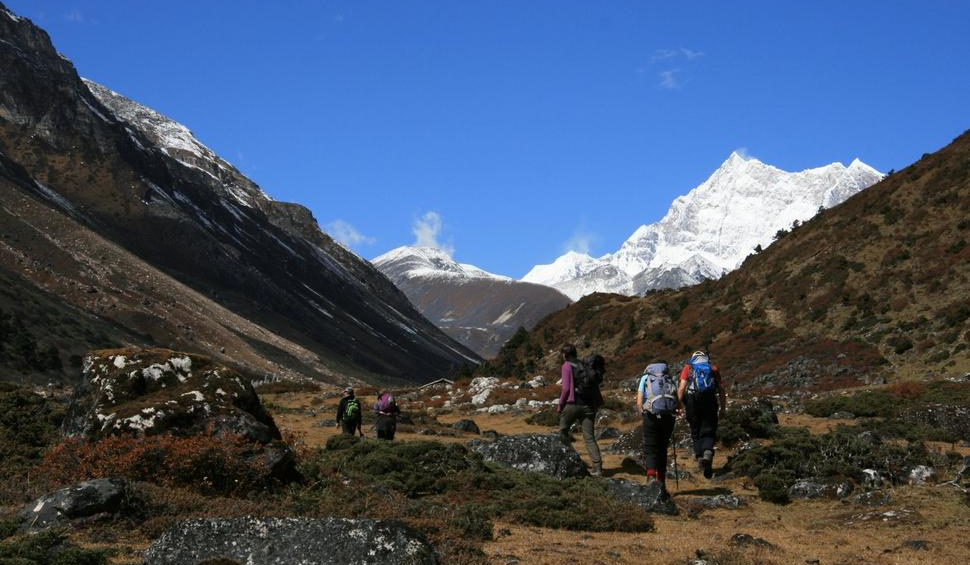
  • Trek through remote alpine terrain with dozens of crystal-clear high-altitude lakes and wildflower meadows.
  • Panoramic Himalayan views — on clear days you may see peaks like Jomolhari, Everest, Kanchenjunga, Jichu Drake, Masang Gang and more.
  • Rustic campsites by lakes, possible trout sightings, and yak herder camps.
  • A quieter, less-crowded alternative to classic Bhutan routes — ideal if you want nature and solitude. 

Note: The altitude and some long walking days make this trek better suited to hikers who have done a moderate trek before, but it’s still very rewarding and scenic.  

Advanced & Challenging Treks (10+ days)

  1. Jomolhari Trek (7–9 days)
  • Difficulty: Moderate to difficult.
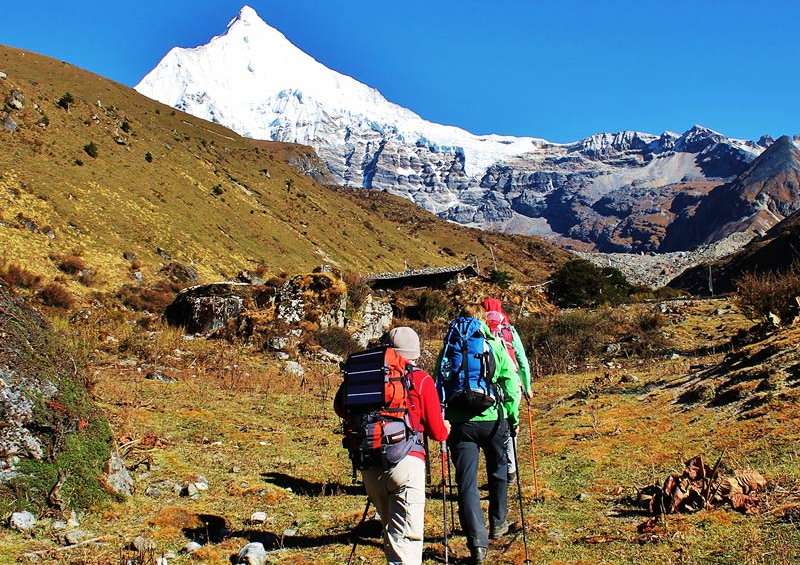
  • Route: Paro to Jangothang basecamp of sacred Mount Jomolhari.
  • Highlights: Classic Himalayan scenery, rhododendron forests, remote yak pasture camps.
  • Good pick if you want a longer but still manageable Himalayan trek.
  1. Snowman Trek (20+ days)
  • Difficulty: Extremely challenging — considered one of the toughest treks globally.
  • Route: A remote high-altitude traverse in northern Bhutan crossing multiple passes.
  • Highlights: Deep wilderness, multiple 5,000+m passes, remote villages and profound solitude.
  • Only for experienced hikers with excellent fitness and high-altitude trekking experience.

Trekking Tips for Bhutan

  • Permit & Guide: Trekking in Bhutan requires a licensed tour operator and special permits.
  • Best Seasons: Spring (Mar–June) and Autumn (Sept–Nov) offer clear skies and pleasant weather on most routes.
  • Altitude: Even moderate treks can take you above 4,000 m — acclimatize gradually, stay hydrated, and watch for mild altitude symptoms.
  • Packing: Good trekking boots, layers, rain gear, a hat, trekking poles, and a quality sleeping bag (for camping routes) are essential.

Top Cultural Experiences You Should Not Miss in Bhutan 

Bhutan offers a rare opportunity to experience a living culture deeply rooted in spirituality, tradition, and harmony with nature. From ancient monasteries to vibrant festivals, the Kingdom of Bhutan invites travellers to witness traditions that have remained unchanged for centuries. Here are the top cultural experiences you should not miss in Bhutan. 

  1. Witness a Traditional Tshechu Festival 

Bhutan’s colorful Tshechus are annual religious festivals held in dzongs and monasteries across the country. Featuring masked cham dances, sacred rituals, and vibrant costumes, these festivals commemorate the teachings of Guru Rinpoche and offer a powerful insight into Bhutanese spiritual life. 

  1. Visit Sacred Monasteries and Dzongs 

Exploring Bhutan’s monasteries and fortress-like dzongs is essential to understanding the country’s spiritual heritage. Iconic sites such as Tiger’s Nest Monastery (Paro Taktsang), Punakha Dzong, and Tashichho Dzong showcase remarkable architecture and centuries-old Buddhist traditions. 

  1. Walk Across a Traditional Suspension Bridge 

Crossing Bhutan’s traditional suspension bridges—often decorated with colorful prayer flags—is both a cultural and scenic experience. These bridges symbolize connection and spiritual transition, offering memorable photo opportunities and a sense of Bhutan’s rural life. 

  1. Experience Bhutanese Village Life 

A visit to a local village allows travelers to experience Bhutanese hospitality firsthand. Observe traditional farming practices, visit local homes, and enjoy simple home-cooked meals while learning about daily life in rural Bhutan. 

  1. Enjoy Bhutanese Cuisine and Traditional Dining 

Bhutanese food is an essential part of the cultural experience. Signature dishes like Ema Datshi, Phaksha Paa, and Red Rice reflect the country’s agricultural heritage. Traditional Bhutanese dinners often include cultural performances, music, and folk dances. 

  1. Try Traditional Dress: Gho and Kira 

Wearing Bhutan’s national dress—the Gho for men and Kira for women—offers a deeper appreciation of local customs. Many visitors enjoy dressing traditionally when visiting dzongs or attending festivals, making the experience both respectful and memorable. 

  1. Receive a Blessing at a Local Temple 

Receiving a blessing from a monk or lama at a local temple is a meaningful spiritual experience. These moments offer reflection, peace, and a deeper connection to Bhutan’s Buddhist way of life. 

  1. Visit Local Markets and Handicraft Centers 

Explore Bhutanese craftsmanship at local markets and handicraft centers, where artisans produce textiles, paintings, wood carvings, and traditional souvenirs using age-old techniques. 

Experience Bhutan with Prestige Travel Bhutan 

At Prestige Travel Bhutan, we curate authentic cultural journeys that allow you to experience Bhutan’s traditions respectfully and meaningfully. Our licensed local team ensures carefully designed itineraries, knowledgeable guides, and seamless travel arrangements. Discover Bhutan. Travel with Prestige.

Why Choose a Licensed Bhutanese Tour Operator for Bhutan Journey?

Why Choose a Licensed Bhutanese Tour Operator for Bhutan Journey 

Bhutan is a unique destination where tourism is carefully regulated to preserve its culture, environment, and way of life. For this reason, all international travellers—except those from India, Bangladesh, and Maldives—are required to travel through a licensed Bhutanese tour operator. Choosing an authorized local operator is not just a requirement, but the key to a safe, meaningful, and well-organized Bhutanese journey. 

  1. Legal Requirement and Smooth Entry Process 

Licensed Bhutanese tour operators are officially approved by the Department of Tourism, Royal Government of Bhutan. They handle essential travel formalities such as visa processing, Sustainable Development Fee (SDF), permits, and itinerary approval, ensuring a smooth and stress-free entry into the country. 

  1. Authentic Local Knowledge and Expertise 

A Bhutanese tour operator offers deep cultural insight, local experience, and firsthand knowledge of Bhutan’s traditions, festivals, monasteries, and landscapes. From sacred sites like Tiger’s Nest Monastery to local village life, licensed operators design journeys that reflect the true spirit of Bhutan. 

  1. Professional Guides and Reliable 

Services Licensed operators provide trained and certified Bhutanese guides, experienced drivers, comfortable transportation, and carefully selected hotels. This guarantees safety, reliability, and high service standards throughout your journey. 

  1. Customized and Responsible Travel Experiences 

Whether you seek cultural immersion, trekking, wellness, photography, or festival tours, licensed operators tailor itineraries to your interests while following Bhutan’s principles of high-value, low-impact tourism. Your travel directly supports local communities and sustainable development. 

  1. Safety, Accountability, and Peace of Mind 

In a country where travel routes, accommodations, and activities are regulated, licensed tour operators ensure compliance with national standards. In case of any changes or emergencies, a local operator can respond quickly and responsibly. 

  1. Supporting Bhutan’s Economy and Culture 

By choosing a licensed Bhutanese tour operator, you contribute directly to local employment, cultural preservation, and community welfare—making your journey not only memorable but meaningful. 

Conclusion 

Traveling with a licensed Bhutanese tour operator ensures legality, authenticity, comfort, and responsible tourism. It allows you to experience Bhutan beyond the surface—guided by those who call this extraordinary kingdom home. Choose a licensed Bhutanese tour operator and discover Bhutan the right way. 

Travel Bhutan with Prestige Travel Bhutan 

At Prestige Travel Bhutan, we are a fully licensed Bhutanese tour operator committed to delivering authentic, personalized, and responsible travel experiences. With deep local expertise and professional service, we design journeys that showcase Bhutan’s culture, nature, and spiritual heritage—while ensuring comfort, safety, and seamless arrangements from arrival to departure. Discover Bhutan. Travel with Prestige.