Cultural experiences in Bhutan offer travelers a unique opportunity to discover a living culture deeply rooted in spirituality, tradition, and harmony with nature. From ancient monasteries to vibrant festivals, the Kingdom of Bhutan invites travelers to witness traditions that have remained largely unchanged for centuries.
From colorful religious festivals and magnificent dzongs to traditional cuisine, village life, handicrafts, and Buddhist traditions, there are many ways to experience the authentic character of Bhutan. For travelers who want more than sightseeing, these cultural experiences provide a deeper understanding of Bhutanese history, traditions, and way of life.
Here are some of the top cultural experiences you should not miss when visiting Bhutan.
1. Witness a Traditional Tshechu Festival
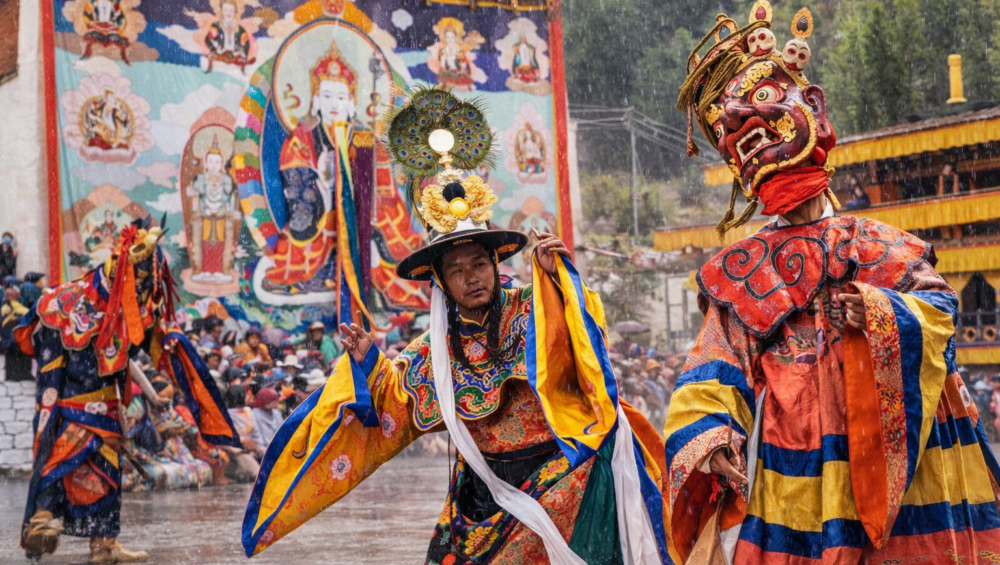
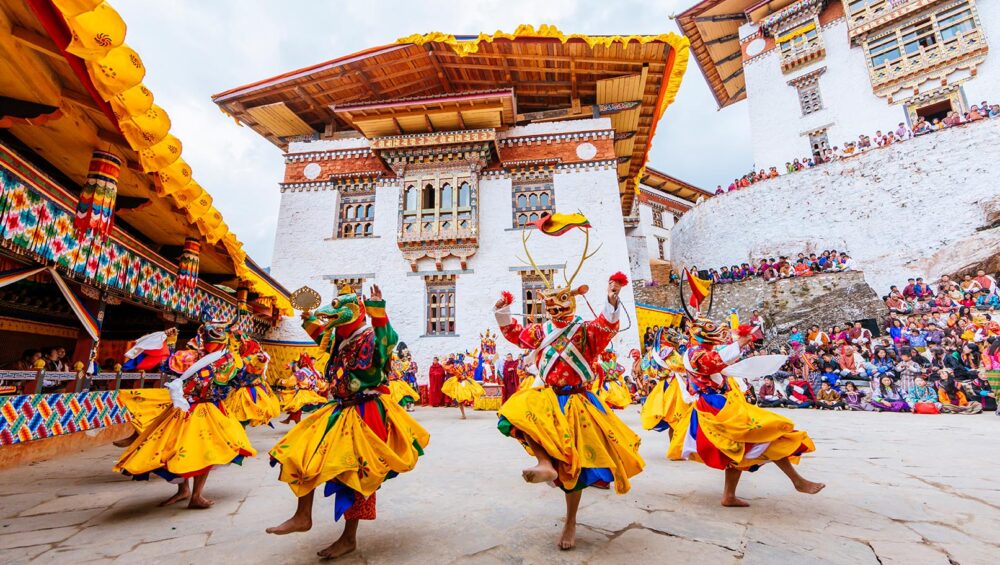
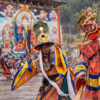
Bhutan’s colorful Tshechu festivals are among the country’s most memorable cultural experiences. Held at dzongs, monasteries, and temples across Bhutan, these annual religious festivals bring together monks, local communities, and visitors.
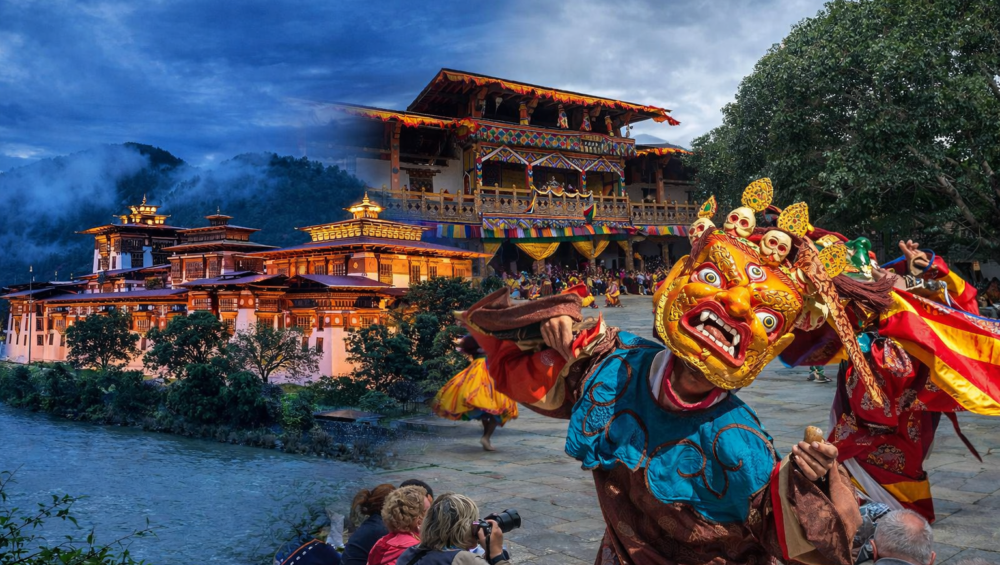
The festivals are best known for cham dances, performed by monks and trained dancers wearing elaborate costumes and traditional masks. The dances depict Buddhist teachings, religious stories, and the triumph of good over evil. Traditional music, prayers, rituals, and the gathering of local communities create an atmosphere that is both vibrant and deeply spiritual.
Major festivals are held in places such as Thimphu, Paro, and Punakha, as well as in other parts of the country throughout the year. If your travel dates coincide with a festival, attending a Tshechu can give you a fascinating insight into Bhutanese culture and Buddhist traditions.
Visitors should remember that Tshechus are religious occasions, not simply cultural performances. Dressing respectfully and following local customs helps ensure a meaningful experience.
If you are planning your trip around festivals and seasonal activities, see our guide to the [best time to visit Bhutan].
2. Cultural Experiences in Bhutan: Sacred Monasteries and Dzongs
Exploring Bhutan’s monasteries, temples, and fortress-like dzongs is essential for understanding the country’s spiritual and historical heritage.
These cultural experiences in Bhutan allow visitors to understand the country’s Buddhist heritage beyond simply seeing its famous landmarks.
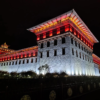
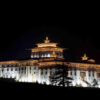
Bhutan’s dzongs are remarkable examples of traditional Bhutanese architecture. These impressive structures historically served both religious and administrative purposes and continue to play an important role in Bhutanese society.
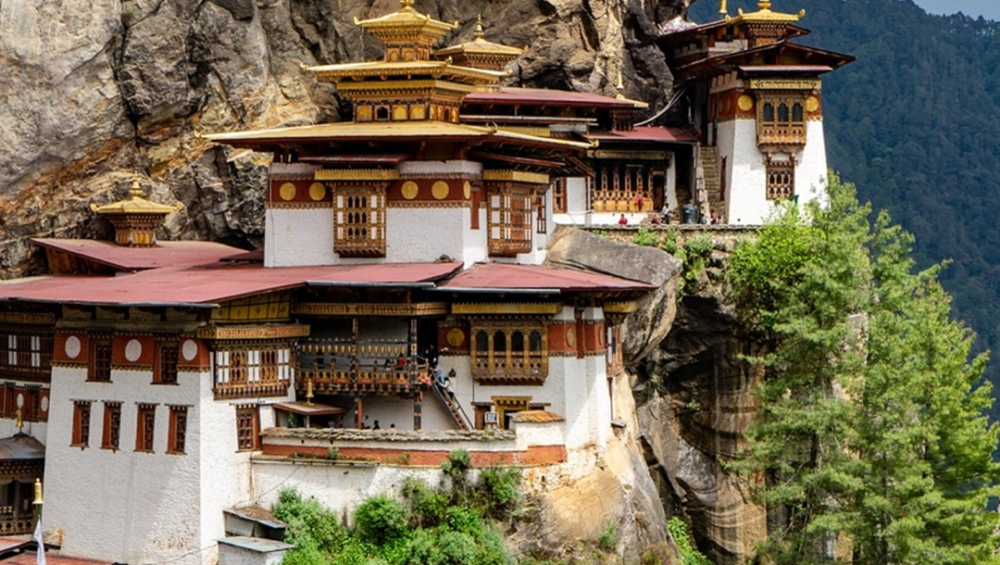
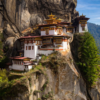
Some of the country’s most famous sites include Paro Taktsang, popularly known as Tiger’s Nest Monastery, Punakha Dzong, and Tashichho Dzong in Thimphu. Each has its own history, architecture, and spiritual significance.
When visiting these sites, take time to appreciate the intricate woodwork, paintings, prayer halls, courtyards, and traditional architectural details. A knowledgeable local guide can also explain the stories and traditions associated with each place, making the experience much more meaningful than simply visiting for photographs.
For more information about Bhutanese architecture, traditional arts, music and Buddhist heritage, visit the official Bhutan Travel cultural experiences guide.
3. Cultural Experiences in Bhutan: Traditional Suspension Bridges
Walking across one of Bhutan’s traditional suspension bridges offers a simple but memorable combination of culture, scenery, and adventure.
Many traditional bridges are decorated with colorful prayer flags, which flutter above rivers and valleys. For generations, bridges have helped connect communities separated by rivers and mountainous terrain and remain an important part of Bhutan’s rural landscape.
One of the most famous examples is the suspension bridge near Punakha Dzong, crossing the Mo Chhu River. Walking across it provides beautiful views of the surrounding valley while offering a glimpse into traditional ways of life.
For travelers, crossing a traditional bridge is also an opportunity to slow down, appreciate Bhutan’s landscapes, and experience a small but meaningful part of rural Bhutan.
4. Experience Bhutanese Village Life
To understand Bhutan beyond its famous landmarks, spend some time experiencing Bhutanese village life.
Villages provide an opportunity to see traditional homes, agricultural fields, local temples, and everyday community life. Depending on the location and itinerary, travelers may observe traditional farming practices, walk through villages, meet local residents, or enjoy a home-cooked Bhutanese meal.
Bhutanese hospitality is an important part of the country’s culture, and visiting a local home or farmhouse can provide a more personal perspective on life in Bhutan. You may learn about local crops, traditional houses, family customs, or simply enjoy a conversation with members of the community.
These rural experiences allow travelers to see a side of Bhutan that cannot be fully experienced through conventional sightseeing alone.
For more ideas on experiencing Bhutan throughout the year, explore our guide to [seasonal experiences in Bhutan].
5. Enjoy Bhutanese Cuisine and Traditional Dining
Food is an important part of experiencing Bhutanese culture. Traditional Bhutanese cuisine reflects the country’s agricultural heritage and the use of locally available ingredients.
One of the country’s most famous dishes is Ema Datshi, traditionally prepared with chillies and cheese. Other popular dishes include Phaksha Paa, red rice, buckwheat-based foods, dumplings, and a variety of seasonal vegetables.
For a more authentic experience, consider enjoying a traditional Bhutanese meal at a local restaurant, farmhouse, or carefully selected traditional setting. Some dining experiences may also include local music or cultural performances.
Bhutanese cuisine can be quite spicy, particularly because chillies are commonly used as an important ingredient rather than simply as a seasoning. Travelers who prefer milder food can usually request less chilli.
Trying local food is more than simply tasting new dishes—it is a way to experience an important part of Bhutanese daily life and hospitality.
6. Learn About Traditional Dress: Gho and Kira
Traditional Bhutanese clothing is an important expression of the country’s cultural identity.
The gho is traditionally worn by Bhutanese men, while women traditionally wear the kira. These garments can commonly be seen in schools, offices, religious institutions, festivals, and other formal settings.
Learning about the gho and kira offers visitors an interesting insight into Bhutanese customs and the importance placed on maintaining cultural traditions. During suitable cultural experiences, visitors may also have an opportunity to try traditional Bhutanese clothing themselves.
When visiting monasteries, dzongs, and other religious sites, dressing modestly and respectfully is particularly important. Appropriate clothing demonstrates respect for Bhutanese customs and religious spaces.
For travelers, learning about traditional dress can be both an enjoyable and meaningful way to appreciate Bhutan’s distinctive cultural identity.
7. Receive a Blessing at a Local Temple
Visiting a Buddhist temple or monastery can become one of the most peaceful and meaningful experiences of a journey through Bhutan.
Depending on the circumstances and local customs, visitors may have an opportunity to receive a blessing from a monk or lama. Such blessings are traditionally associated with prayers for peace, protection, good fortune, or spiritual well-being.
These moments offer an opportunity for quiet reflection and a deeper appreciation of Bhutan’s Buddhist way of life.
It is important to remember that temples and monasteries are active religious places. Visitors should follow local customs, dress respectfully, and listen to their guide’s instructions when entering prayer halls or participating in religious activities.
8. Explore Cultural Experiences in Bhutan at Local Markets and Handicraft Centers
Bhutan’s local markets and handicraft centers provide another opportunity to experience the country’s living traditions.
Local artisans continue to produce textiles, traditional clothing, paintings, woodwork, bamboo products, handicrafts, and other items using skills passed down through generations.
In towns such as Thimphu and Paro, visitors can explore local markets and handicraft shops while looking for meaningful souvenirs. Bhutanese textiles are particularly appreciated for their intricate patterns, traditional designs, and craftsmanship.
Rather than simply purchasing souvenirs, take the opportunity to learn about how an item was made, the materials used, and its cultural significance. Supporting local artisans can also contribute to the continuation of traditional Bhutanese crafts.
Experience Bhutan with Prestige Travel Bhutan
At Prestige Travel Bhutan, we believe that the best Bhutan journeys go beyond visiting famous landmarks. They allow travelers to experience the country’s culture, traditions, spirituality, landscapes, and communities in a respectful and meaningful way.
As a local Bhutanese tour operator, we create thoughtfully planned journeys that combine cultural experiences with the destinations and activities that best match your interests. From attending traditional festivals and exploring ancient monasteries to discovering village life, tasting Bhutanese cuisine, and meeting local communities, we help you experience Bhutan beyond the usual tourist route.
Our knowledgeable local guides provide cultural context throughout your journey, helping you understand the traditions, stories, and customs behind the places you visit.
Whether you are interested in Bhutanese culture, Buddhist heritage, traditional festivals, local food, village experiences, or a combination of cultural and outdoor activities, we can help create a journey that feels personal and authentic.
Explore our Bhutan tour packages to find a journey that matches your interests and travel style.
These cultural experiences in Bhutan can become some of the most memorable parts of your journey, especially when experienced with a knowledgeable local guide.
Discover Bhutan. Experience its culture. Travel with Prestige Travel Bhutan.