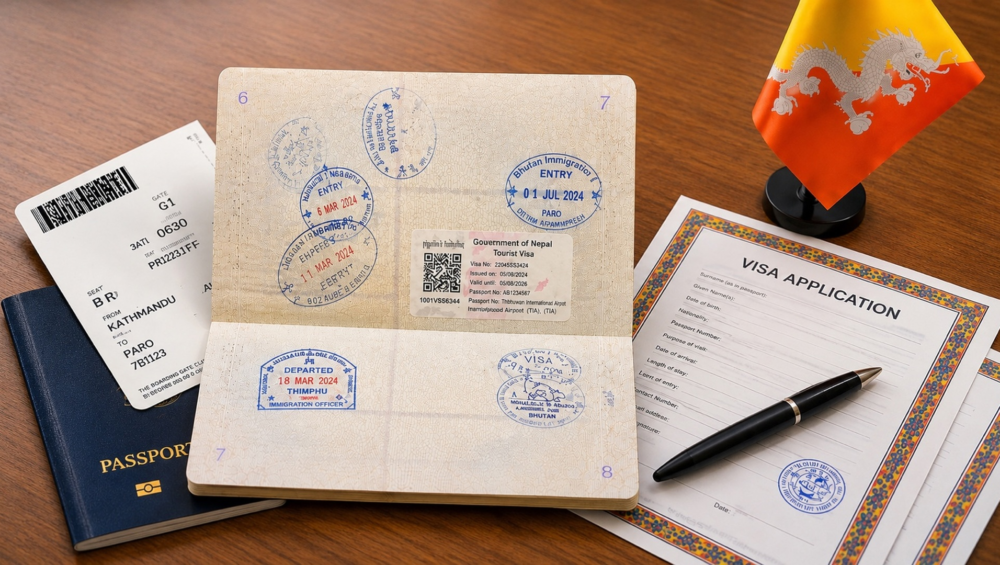
How to get a visa for Bhutan – passport, visa application and Bhutan flag

How to Get Visa for Bhutan? A Step-by-Step Guide

How to get a visa for Bhutan is a common question for travellers planning a trip to the Kingdom. For most international visitors, obtaining a Bhutan visa is a straightforward process that can be completed online before travelling. Bhutan is renowned for its unique approach to tourism, which focuses on protecting the country’s natural environment, cultural heritage, and traditional way of life.

Whether you are planning a cultural holiday, a Himalayan adventure, or a relaxing journey through Bhutan’s valleys and monasteries, understanding the visa process will help you prepare for a smooth trip.

Here is a simple step-by-step guide on how to get a visa for Bhutan.

Bhutan’s Sustainable Tourism Approach

Bhutan follows a tourism model designed to promote sustainable and responsible travel. Visitors contribute to the country’s development through the Sustainable Development Fee (SDF), which supports initiatives related to environmental conservation, cultural preservation, education, healthcare, and sustainable development.

For most international visitors, the SDF is currently US$100 per adult per night. Children aged 6 to under 12 pay a reduced rate of US$50 per night, while children under 6 are exempt. Indian nationals have a separate SDF rate.

The SDF is separate from the one-time US$40 visa application fee for visitors who require a visa.

Do You Need a Visa to Visit Bhutan?

Visitors from most countries require a visa to enter Bhutan.

However, there are different arrangements for travellers from India, Bangladesh, and the Maldives:

  • Indian nationals require an entry permit rather than a tourist visa.
  • Bangladeshi and Maldivian nationals require a visa, but they may apply before travelling or apply upon arrival.
  • Visitors from most other countries must obtain their visa before travelling to Bhutan.

Because requirements can change, travellers should always check the latest official information before departure.

How to Get a Visa for Bhutan Online or Through a Tour Operator

You do not have to use a tour operator to obtain a Bhutan visa.

Travellers can apply online themselves through Bhutan’s official visa system. Alternatively, if you are travelling with a certified Bhutanese tour operator or staying at a hotel, they can apply for the visa on your behalf.

For travellers who prefer assistance, working with a local tour operator can make the process easier because the operator can help coordinate your visa application together with accommodation, transportation, guides, and your overall itinerary.

Documents You Need to Get a Visa for Bhutan

For a standard tourist visa application, you should prepare:

  • A digital copy of your valid passport
  • A recent digital passport-size photograph
  • Your planned arrival and departure dates
  • Payment details for the visa and SDF

Your passport should generally have at least six months’ validity from your intended date of departure from Bhutan. The Department of Immigration may request additional documents where necessary.

It is also strongly recommended to have travel insurance for your trip. Although mandatory travel insurance was discontinued in 2024, insurance remains a sensible precaution for international travellers.

How to Get a Visa for Bhutan: Step-by-Step Application Process

1. Complete the Online Application

Begin your application through Bhutan’s official online visa system.

You will need to provide your personal information, passport details, travel dates, and other required information.

2. Sign the Pledge of Friendship

As part of the application process, visitors are asked to sign Bhutan’s Pledge of Friendship, reflecting the country’s emphasis on responsible and respectful tourism.

3. Upload Your Documents

Upload your passport copy and recent digital passport photograph. Make sure the information is clear and matches your passport exactly.

4. Enter Your Travel Details

Provide your expected arrival and departure dates and the required travel information.

If you are travelling with a tour operator, your operator can assist with this part of the process and coordinate the details with your planned itinerary.

5. Pay the Visa Fee and SDF

For visitors who require a tourist visa, the current one-time visa application fee is US$40.

You will also pay the applicable Sustainable Development Fee for your planned stay as part of the application process.

International credit cards can be used for online visa and SDF payments. It is advisable to inform your bank before making the transaction to avoid international payment issues.

6. Wait for Visa Processing

Once your application has been correctly submitted, it is generally reviewed within five working days.

For this reason, it is best to complete your visa application well before your planned travel date.

Bhutan Visa Approval and Confirmation

Once your application is approved, you will receive your visa clearance through the online system.

Keep your visa information accessible while travelling and make sure the details correspond with your passport and travel arrangements.

If you are travelling through a tour operator, your operator can also assist you with the visa process and help ensure that the required travel arrangements are properly coordinated.

Arrival in Bhutan

When you arrive in Bhutan, immigration officials will verify your travel documents and visa information.

Bhutan has also introduced digital immigration services, making the arrival process increasingly streamlined for international visitors.

If you arrive by air, your first point of entry will normally be Paro International Airport, Bhutan’s international airport.

For travellers entering by land, immigration services are available at Bhutan’s designated land entry points.

How Long Can You Stay in Bhutan on a Tourist Visa?

A tourist visa allows you to remain in Bhutan for a maximum of 90 days from the date of entry.

If you need to stay longer, you may apply for an extension before your original visa or permit expires. Extensions can be processed through the online visa system, subject to the applicable fees and SDF.

Do You Need a Tour Operator in Bhutan?

No. Travellers can now arrange many aspects of their Bhutan journey independently.

However, a certified Bhutanese tour operator can be valuable if you prefer a more convenient and personalised experience. A local operator can help coordinate your visa assistance, accommodation, transportation, guides, sightseeing, and customised itinerary.

For visitors who want to spend less time managing logistics and more time experiencing Bhutan, working with a local travel professional can make the journey considerably easier.

Exploring Bhutan After Your Visa Is Approved

Once your visa is approved and your travel arrangements are confirmed, you can begin looking forward to discovering Bhutan.

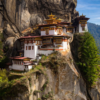
From the iconic Tiger’s Nest Monastery (Taktsang) in Paro to the peaceful valleys of Punakha, the cultural heart of Thimphu, and the remote landscapes of Bumthang, Bhutan offers experiences that go far beyond sightseeing.

You can also explore our Bhutan tour packages for inspiration or contact us to create a personalised itinerary based on your interests, travel dates, and preferred style of travel.

Summary

Obtaining a visa for Bhutan is a straightforward process for most international visitors. You can apply online yourself or choose to have a certified tour operator or hotel assist with the application.

The key steps are:

  1. Check whether you need a visa or entry permit.
  2. Prepare your passport and digital photograph.
  3. Complete the online application.
  4. Provide your travel information.
  5. Pay the applicable visa fee and Sustainable Development Fee.
  6. Wait for the application to be processed.
  7. Keep your visa clearance and travel documents ready for your journey.

With the formalities taken care of, you can focus on what really matters — experiencing Bhutan’s remarkable landscapes, living traditions, spirituality, and warm hospitality.

Planning your journey to Bhutan?
At Prestige Travel Bhutan, we can assist with your Bhutan trip planning, including personalised itineraries, accommodation, transportation, sightseeing, and visa assistance.

Planning a trip to Bhutan?Prestige Travel Bhutan can assist with your personalised itinerary, accommodation, transportation, sightseeing and visa assistance. Contact us to start planning your Bhutan journey.
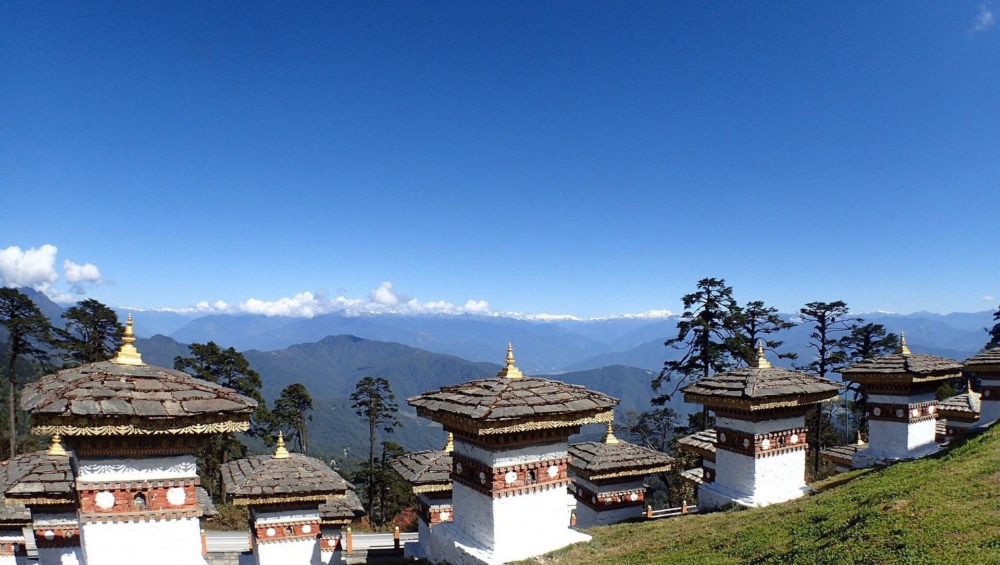
Bhutan tourism policies and environmental protection

Bhutan Tourism Policies

Bhutan tourism policies are designed to promote sustainable and responsible travel while protecting the country’s natural environment, cultural heritage and traditional way of life. Bhutan’s approach to tourism focuses on quality experiences, environmental conservation, cultural preservation and benefits for local communities.

Bhutan’s tourism framework is closely connected with the national philosophy of Gross National Happiness (GNH), which places importance on cultural preservation, environmental conservation, good governance and sustainable socio-economic development. Bhutan has also traditionally promoted a High Value, Low Volume approach to tourism, seeking to attract responsible visitors while managing tourism growth according to the country’s environmental, cultural and infrastructural capacity.

For travellers planning a visit, understanding Bhutan’s tourism policies can provide useful context about how tourism operates in the country and what visitors should expect.

Bhutan’s Sustainable Tourism Approach

Sustainability is at the heart of Bhutan’s tourism policies. The country seeks to develop tourism in a way that protects its natural resources while providing meaningful experiences for visitors.

Bhutan’s tourism framework recognizes that uncontrolled tourism growth could place pressure on the country’s fragile environment, cultural heritage, infrastructure, and local communities. As a result, tourism development is intended to remain consistent with Bhutan’s carrying capacity and long-term sustainability goals.

This approach allows visitors to experience Bhutan’s landscapes, traditions, monasteries, villages, and cultural attractions while supporting the country’s broader efforts to preserve them for future generations.

High-Value, Low-Volume Tourism

One of the defining features of Bhutan’s tourism policy is its High Value, Low Volume approach.

The principle is not simply about limiting the number of tourists. It is about encouraging responsible travel, maintaining quality tourism services, generating sustainable economic benefits, and ensuring that tourism remains compatible with Bhutan’s environmental and cultural values.

By managing tourism growth carefully, Bhutan aims to avoid excessive pressure on popular destinations while encouraging visitors to enjoy the country respectfully and responsibly.

Sustainable Development Fee

Bhutan’s tourism system includes a Sustainable Development Fee (SDF), which forms an important part of the country’s current tourism framework. The SDF is established under Bhutan’s Tourism Levy Act and is intended to support the country’s sustainable development objectives.

The tourism levy system has evolved over time, so visitors should always check the latest official requirements and applicable rates before travelling. This is particularly important because exemptions, concessions, and other conditions may change according to government policy.

The SDF is therefore not simply an additional travel cost; it is part of Bhutan’s broader approach to managing tourism and supporting sustainable development.

Bhutan Tourism Policies and Environmental Protection

Bhutan’s tourism policies place strong emphasis on protecting the country’s natural environment.

With extensive forests, mountain ecosystems, rivers, wildlife habitats, and protected areas, Bhutan has a strong interest in ensuring that tourism does not undermine its environmental resources.

Tourism development therefore needs to consider issues such as waste management, environmental protection, responsible infrastructure development, and the impact of visitor activities on sensitive areas.

For travellers, this means respecting local environmental guidelines, avoiding littering, minimizing waste, staying on designated trails where applicable, and treating Bhutan’s natural surroundings with care.

Bhutan Tourism Policies and Cultural Heritage Protection

Cultural preservation is another important part of Bhutan’s tourism philosophy.

Bhutan is known for its monasteries, dzongs, temples, traditional architecture, festivals, arts, crafts, and living cultural traditions. Tourism policies seek to ensure that these cultural assets are protected while allowing visitors to experience them respectfully.

Visitors can contribute by following local customs when visiting religious sites, dressing appropriately, asking permission before photographing people or ceremonies, and respecting religious practices.

This approach helps ensure that tourism strengthens appreciation for Bhutanese culture rather than turning cultural traditions into purely commercial attractions.

Bhutan Tourism Policies and Local Community Benefits

Bhutan’s tourism policies also recognize the importance of ensuring that local communities benefit from tourism.

Tourism can create opportunities for local guides, drivers, hotels, restaurants, artisans, farmers, cultural performers, and other businesses. Community participation can also encourage visitors to explore destinations beyond the country’s most popular attractions.

Bhutan’s tourism policy framework emphasizes equitable growth and benefit sharing, as well as greater regional and seasonal distribution of tourism.

For travellers, choosing locally operated services, purchasing locally made handicrafts, staying at locally operated accommodations, and experiencing local food and culture can help spread the benefits of tourism.

Quality Standards for Tourism Services

Bhutan’s tourism system also places importance on maintaining standards among tourism service providers.

Tourism rules establish requirements relating to registration, licensing, standards, certification, monitoring, and codes of conduct for tourism service providers.

These measures are intended to help maintain reliable and professional tourism services while protecting the interests of visitors.

For travellers, this provides an additional reason to choose properly registered and authorized tourism service providers when planning a Bhutan journey.

Promoting Regional and Sustainable Tourism

Bhutan’s tourism policies also seek to encourage tourism beyond a small number of heavily visited locations.

Spreading tourism geographically can help reduce pressure on popular destinations while allowing visitors to discover lesser-known communities, landscapes, cultural sites, and experiences.

Regional tourism development can also create additional economic opportunities for communities outside the main tourism centres.

This approach supports Bhutan’s wider objective of ensuring that tourism growth remains sustainable and that its benefits are shared more broadly.

Tourist Safety and Responsible Travel

Providing visitors with a safe and positive travel experience is another important aspect of Bhutan’s tourism framework.

Tourism regulations and standards help establish expectations for tourism service providers, while licensed and certified professionals contribute to the quality and safety of organized travel.

Visitors also have a role to play. Following local regulations, respecting cultural sites, listening to guides, observing trekking and outdoor safety instructions, and travelling responsibly all contribute to a better experience.

Responsible travel is particularly important in Bhutan because many attractions are located in mountainous and environmentally sensitive areas.

What Bhutan’s Tourism Policies Mean for Visitors

For travellers, Bhutan’s tourism policies mean that a visit is designed to be more than simply sightseeing.

Visitors can expect a destination where environmental conservation, cultural heritage, responsible tourism, and quality experiences are important considerations.

The country’s approach also encourages travellers to experience Bhutan at a thoughtful pace, appreciate its culture and landscapes, and understand that tourism plays a role in supporting the country’s long-term development.

Before travelling, visitors should check the latest official requirements relating to visas, permits, the Sustainable Development Fee, accommodation, guides, and other tourism regulations, as government policies and requirements can be updated over time.

Conclusion

Bhutan’s tourism policies reflect the country’s commitment to developing tourism without compromising its natural environment, cultural heritage, or traditional way of life.

Through its sustainable tourism approach, High Value, Low Volume philosophy, Sustainable Development Fee, cultural and environmental protection measures, quality standards, and emphasis on community benefits, Bhutan seeks to create a tourism industry that is responsible and sustainable in the long term.

For visitors, understanding Bhutan Tourism Policies provides a better appreciation of why travelling in Bhutan is different from travelling to many other destinations. By respecting local customs, protecting the environment, supporting local communities, and travelling responsibly, visitors can help preserve what makes Bhutan unique while enjoying a meaningful and memorable journey.

Lorem ipsum dolor sit amet, consectetur adipiscing elit. Ut elit tellus, luctus nec ullamcorper mattis, pulvinar dapibus leo.