Bhutan’s cultural calendar comes alive with the celebrations of Punakha Drubchen and Punakha Tshechu, two of the country’s most important traditional festivals. Held in the historic Punakha Valley, these celebrations bring together sacred Buddhist rituals, traditional dances, colorful costumes, historical traditions, and vibrant community gatherings.
For travelers, experiencing these festivals offers a unique opportunity to witness Bhutan’s living cultural heritage in an authentic setting. Combined with the beauty of Punakha Dzong and the surrounding valley, they can become one of the most memorable experiences of a journey through Bhutan.
What Is Punakha Drubchen?
Punakha Drubchen is a distinctive religious and historical festival held at Punakha Dzong. It commemorates Bhutan’s victory over Tibetan invasions in the 17th century and honors the legacy of Zhabdrung Ngawang Namgyal, the unifying figure who established the foundations of Bhutan as a nation.
One of the most remarkable features of the Drubchen is its dramatic reenactment of the historic battle. Local men dressed as warriors recreate scenes of the conflict within the dzong courtyard, accompanied by traditional music, religious rituals, and ceremonial performances.
The festival reflects Bhutan’s history, courage, unity, and spiritual traditions, allowing visitors to connect with an important chapter of the country’s heritage.
What Is Punakha Tshechu?
Following the Drubchen, Punakha Tshechu creates a different but equally captivating atmosphere at Punakha Dzong.
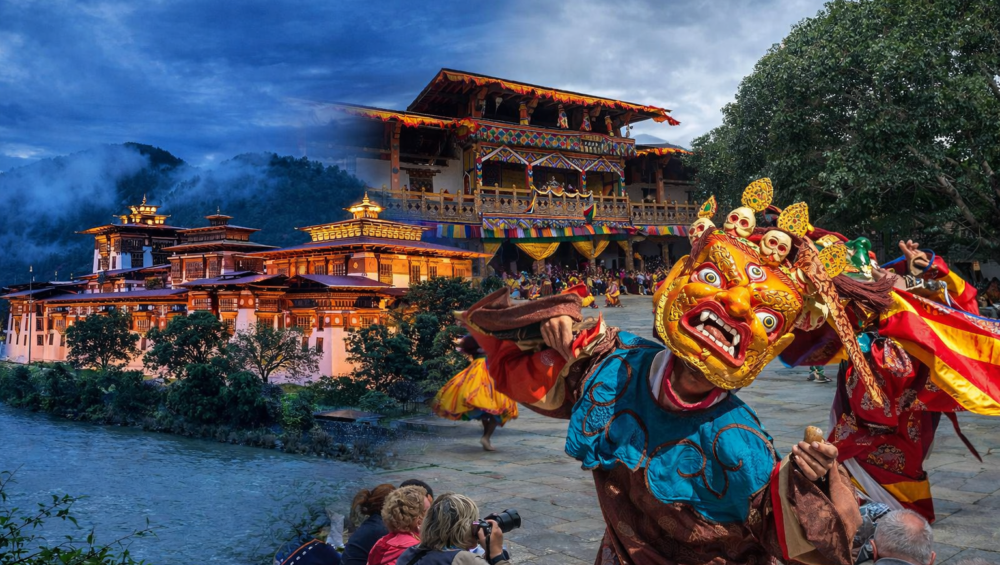
The festival features sacred Cham dances performed by monks and lay dancers wearing elaborate masks and colorful traditional costumes. The dances are accompanied by traditional instruments and religious chanting, with many performances conveying Buddhist teachings through symbolic movements and stories.
For Bhutanese communities, the Tshechu is an important occasion for receiving blessings, celebrating their faith, and coming together. For visitors, it provides an opportunity to experience Bhutanese culture beyond its temples and historic monuments.
The Cultural and Spiritual Significance
Punakha’s festivals are deeply connected with Bhutan’s Buddhist heritage. The dances, rituals, and ceremonies are rooted in centuries-old traditions and carry symbolic meanings associated with Buddhist teachings, spiritual protection, and the triumph of good over negative forces.
The festivals demonstrate how Bhutan continues to preserve its traditions through community participation, making them an important expression of the country’s living cultural heritage.
Visitors should appreciate the festivals as meaningful religious and cultural occasions, not simply colorful performances.
What to Expect at the Festivals
During the festival period, the courtyard of Punakha Dzong becomes a lively gathering place filled with music, dance, traditional costumes, and local communities.
Visitors can expect sacred mask dances, traditional performances, historical battle reenactments during Punakha Drubchen, religious ceremonies, and Bhutanese people dressed in traditional national attire. The atmosphere becomes especially vibrant as nearby communities gather to participate.
The festivals also provide excellent opportunities for cultural photography. However, visitors should always photograph respectfully and follow any instructions given during religious ceremonies.
Where and When Are the Festivals Held?
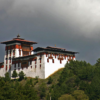
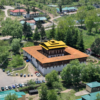
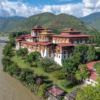
Both Punakha Drubchen and Punakha Tshechu are held at Punakha Dzong, one of Bhutan’s most spectacular architectural and historical landmarks. Located at the confluence of the Pho Chhu and Mo Chhu rivers, the dzong is surrounded by mountains and fertile valleys, creating a remarkable setting for the celebrations.
The two festivals are held annually, generally during the winter and early spring period, with the exact dates changing from year to year according to the Bhutanese lunar calendar. Punakha Drubchen takes place before Punakha Tshechu, forming an important part of Punakha’s annual cultural calendar.
Travelers planning their journey around these festivals should confirm the dates in advance and arrange accommodation and transportation early, as demand can be high during the festival period.
Visitor Etiquette
Because these are religious and cultural celebrations, visitors should dress modestly and behave respectfully within the festival grounds and around religious sites. Avoid interrupting ceremonies or performers, follow local instructions, and be considerate when taking photographs.
The best way to experience the festivals is to observe with an open mind and appreciate the spiritual and cultural meaning behind the performances.
Combining the Festivals With Your Bhutan Journey
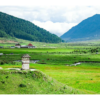
Punakha’s festivals can be an excellent highlight of a wider Bhutan itinerary. Visitors can explore Punakha Dzong, the surrounding valley, traditional villages, monasteries, and scenic countryside while enjoying the festival celebrations.
The journey can also be combined with visits to Thimphu, Paro, and other major destinations, allowing travelers to experience Bhutan’s cultural heritage, landscapes, and local way of life.
Why Experience Punakha Drubchen and Punakha Tshechu?
Punakha Drubchen and Punakha Tshechu offer two different perspectives on Bhutanese culture—one strongly rooted in history and the other in religious celebration and spiritual tradition.
Together, they provide an extraordinary opportunity to experience Bhutan’s history, Buddhism, community life, traditional arts, and vibrant cultural heritage in one of the country’s most beautiful settings.
Experience Bhutan’s history, spirituality, and celebration with Prestige Travel Bhutan — where every journey is crafted with authenticity and care.
“Discover Bhutan. Travel with Prestige.”