Paro Tshechu is one of the most vibrant and spiritually significant festivals in Bhutan. Held in the historic Paro Valley, the annual celebration brings together monks, local communities, and visitors to witness sacred mask dances, traditional music, colorful costumes, and centuries-old Buddhist traditions.
For travelers, Paro Tshechu offers a unique opportunity to experience Bhutanese culture as a living tradition. Beyond the spectacular performances, the festival provides a glimpse into the spiritual beliefs, community life, and cultural heritage that continue to shape Bhutan today.
What Is Paro Tshechu?
Paro Tshechu is an annual Buddhist festival celebrated in Paro, traditionally during the spring season. Tshechus are important religious and cultural celebrations throughout Bhutan, with their dates determined according to the Bhutanese lunar calendar.
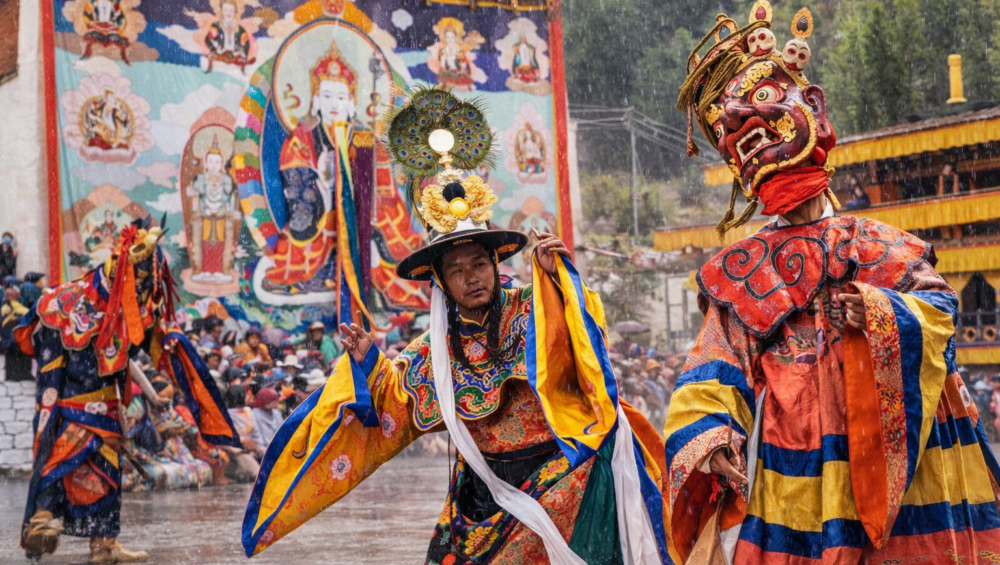
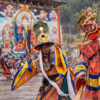
During Paro Tshechu, monks and lay performers gather to perform sacred Cham dances. These traditional dances are accompanied by ceremonial music and elaborate costumes, with many performances conveying Buddhist teachings through symbolic movements, masks, and stories.
The festival is both a religious and community occasion. Local families and residents come together to celebrate, while travelers from around the world visit Paro to experience one of Bhutan’s most renowned cultural festivals.
The Cultural and Spiritual Significance
Paro Tshechu is much more than a colorful cultural spectacle. The dances and ceremonies have deep religious meaning and are connected with Buddhist teachings, spiritual protection, compassion, wisdom, and the triumph of good over negative forces.
Many of the traditions performed during the festival have been preserved and passed down through generations. Their continued practice reflects the importance of maintaining Bhutan’s unique cultural and spiritual heritage.
For visitors, understanding this significance makes the experience even more meaningful. The performances are not simply entertainment; they are an important expression of Bhutanese faith, history, and community life.
What to Expect at Paro Tshechu
Visitors can expect a lively atmosphere throughout the festival. Monks and dancers appear in richly decorated costumes and traditional masks while musicians perform using traditional instruments.
Different dances and ceremonies take place throughout the festival, creating a changing atmosphere from one day to the next. Some performances are solemn and deeply spiritual, while others are energetic and visually striking.
The festival is also an excellent opportunity to see Bhutanese people dressed in traditional national attire. Local families, visitors, monks, and performers come together, creating a genuine community atmosphere that is difficult to experience through ordinary sightseeing.
Sacred Mask Dances and the Guru Thongdrel
The sacred mask dances, known as Cham, are among the most memorable features of Paro Tshechu. Performers wear distinctive masks and elaborate costumes representing Buddhist figures, deities, animals, and symbolic characters.
One of the most anticipated moments of the festival is the unveiling of the Guru Thongdrel, a giant sacred religious textile depicting Guru Rinpoche and his manifestations. According to the Paro Dzongkhag Administration, the unfurling of the Guru Thongdrel is the main highlight of the five-day festival and takes place on its final day.
The Thongdrel is traditionally believed to provide spiritual blessings to those who see it. Because it is displayed for only a short period, witnessing this ceremony can be one of the most powerful and memorable moments of a visit to Paro Tshechu.
Where and When Is Paro Tshechu Held?
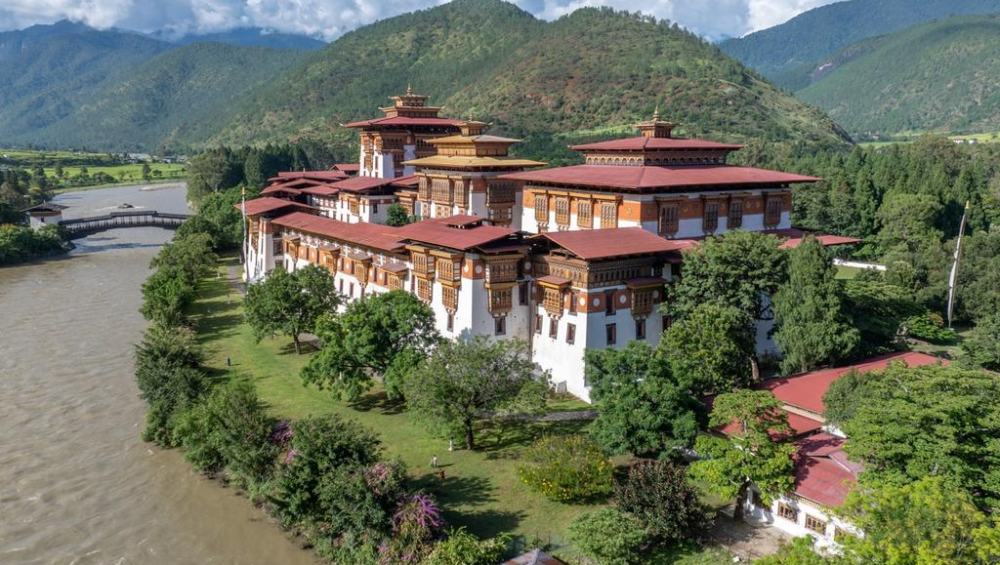
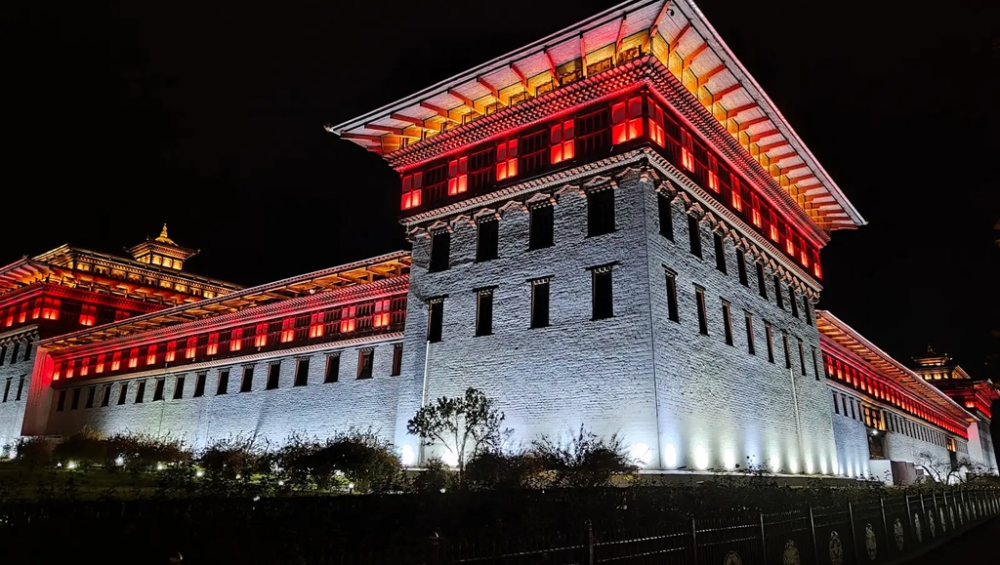
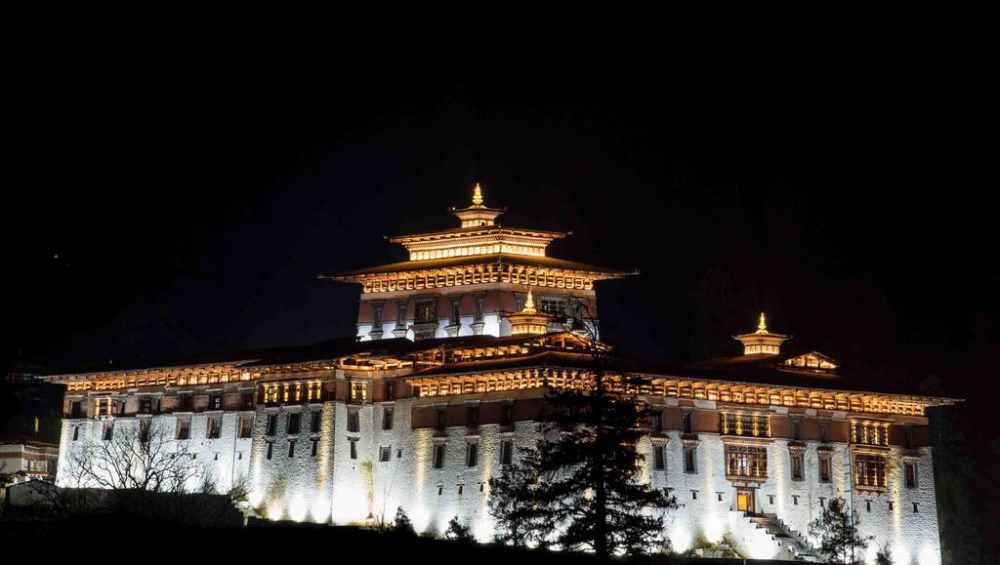
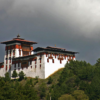
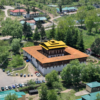
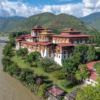
Paro Tshechu is associated with Rinpung Dzong and the festival grounds in Paro, creating a spectacular setting surrounded by the valley’s traditional architecture and Himalayan landscape. The Paro Dzongkhag Administration identifies Paro Tshechu as a five-day annual festival.
The exact dates change from year to year because the festival follows the Bhutanese lunar calendar. It is generally celebrated in spring, and the dates should be confirmed before planning a trip around the festival.
Travelers intending to attend should arrange accommodation and transportation well in advance, as Paro can become particularly busy during the festival period.
Visitor Etiquette
Paro Tshechu is a religious festival, so visitors should observe it respectfully. Smart-casual clothing covering the shoulders and knees is appropriate when visiting religious places, and guests should follow local guidance during ceremonies.
Visitors should also avoid disturbing dancers or worshippers and be considerate when taking photographs. Bhutan Travel advises visitors to respect people participating in religious festivals and avoid obstructing their religious practices.
Combining Paro Tshechu With Your Bhutan Journey
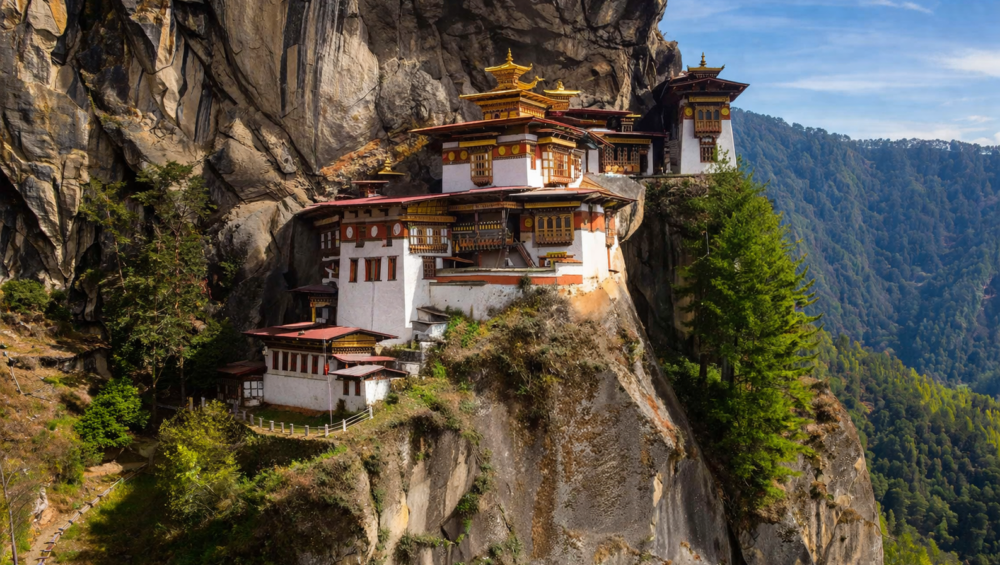
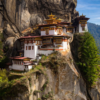
Paro Tshechu can be an excellent highlight of a wider Bhutan itinerary. Travelers can combine the festival with sightseeing in Paro, visits to monasteries and historic landmarks, and an excursion to the iconic Tiger’s Nest.
Depending on the length of the journey, Paro Tshechu can also be combined with visits to Thimphu, Punakha, and other destinations. This allows travelers to experience both Bhutan’s celebrated cultural landmarks and the quieter side of its countryside and traditional way of life.
Why Experience Paro Tshechu?
Paro Tshechu brings together many of the elements that make Bhutan a remarkable destination: spirituality, living traditions, historic architecture, community life, and spectacular Himalayan scenery.
For international travelers, it offers a chance to witness Bhutanese culture in an authentic setting and experience traditions that continue to hold an important place in the lives of local communities.
If your journey coincides with Paro Tshechu, it can become one of the most memorable experiences of your time in Bhutan.
Experience the vibrant culture of Bhutan with Prestige Travel Bhutan. Discover sacred traditions, colorful festivals, historic landmarks, and the spiritual beauty of the Kingdom of Bhutan.
“Discover Bhutan. Travel with Prestige.”