The best time to visit Bhutan depends on the experience you want. From colourful spring flowers and vibrant festivals to lush summer valleys, clear autumn skies and peaceful winter landscapes, there is something special about Bhutan throughout the year.
Spring and autumn are particularly popular for comfortable sightseeing, trekking, festivals and clear mountain views, while summer and winter offer their own unique experiences for travellers who prefer greener landscapes, quieter journeys or seasonal attractions.
Because Bhutan stretches from subtropical lowlands to high Himalayan mountains, weather conditions can vary considerably between regions and elevations. Choosing the right season can therefore make your journey even more enjoyable.
Bhutan’s Seasons at a Glance
Spring — March to May
Flowers, festivals, trekking and nature.
Summer — June to August
Lush landscapes, waterfalls and quieter travel.
Autumn — September to November
Clear skies, trekking, festivals and mountain views.
Winter — December to February
Peaceful travel, clear days and winter landscapes.
Spring in Bhutan: March to May
Spring is one of the most beautiful seasons to visit Bhutan. As winter comes to an end, the valleys become greener and colourful flowers begin to bloom across the countryside.
March can still be cool, particularly in the mornings and evenings, while temperatures generally become warmer as April and May approach. Higher-altitude areas remain considerably cooler than the lower valleys.
Spring is an excellent season for travellers interested in nature, photography, cultural experiences and outdoor activities.
What to experience in spring
Flowers and blooming landscapes: Bhutan’s forests and valleys come alive with colourful flowers during spring. Rhododendrons and other flowering plants add vibrant colours to the landscape, making this a rewarding season for nature lovers and photographers.
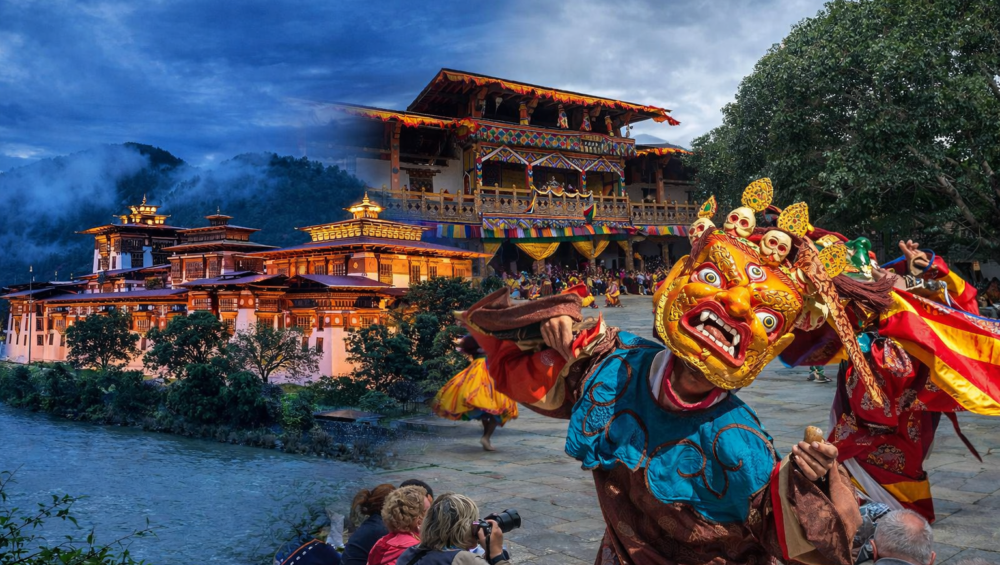
Punakha Valley: The warmer climate of Punakha makes the valley particularly pleasant during spring. Punakha Dzong, situated at the confluence of the Pho Chhu and Mo Chhu rivers, is especially beautiful when surrounded by spring greenery and flowering trees.
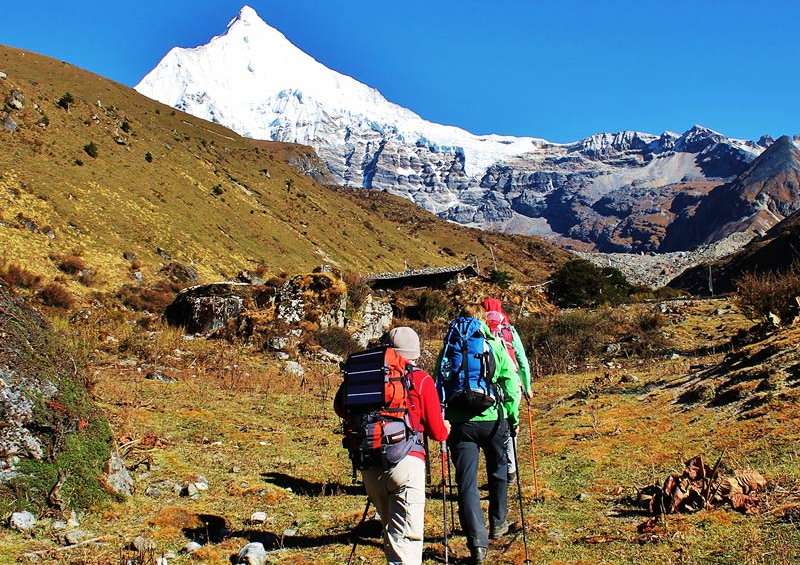
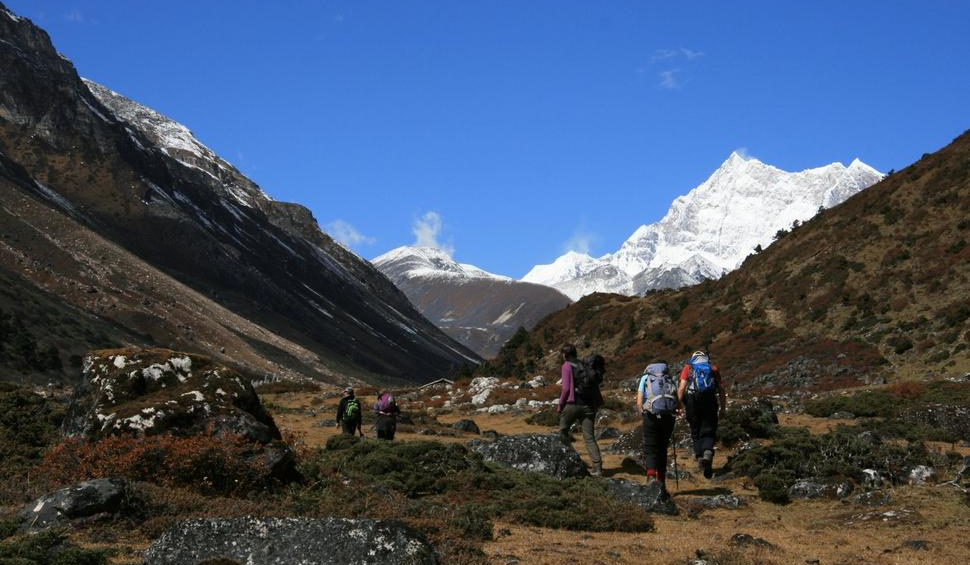
Trekking and hiking: Spring is a popular period for many trekking and hiking routes in Bhutan. The ideal period varies according to the particular route and altitude, but several treks have spring seasons listed by Bhutan’s Department of Tourism.
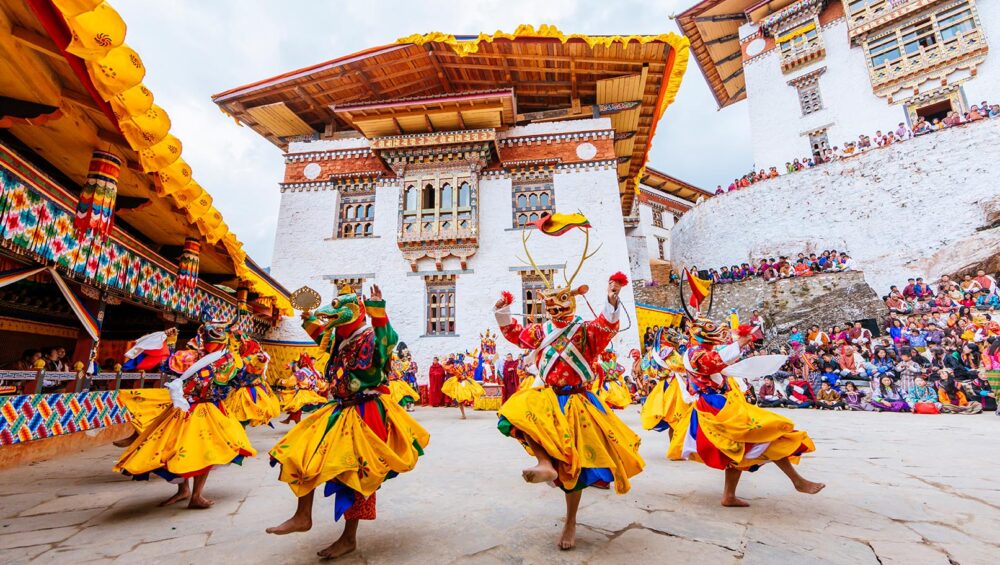
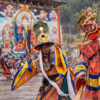
Festivals and cultural experiences: Spring is also an important period for Bhutanese festivals. Travellers who plan their journey around festival dates can experience traditional mask dances, religious ceremonies, music and local celebrations.
Who should visit Bhutan in spring?
Spring is particularly suitable for travellers who want:
- Blooming flowers and beautiful landscapes
- Trekking and hiking
- Cultural festivals
- Nature and photography
- Pleasant conditions for sightseeing
Summer in Bhutan: June to August
Summer brings warmth, greenery and the monsoon season to Bhutan. Rainfall is more common during this period, particularly from the Indian monsoon, although its influence varies between regions.
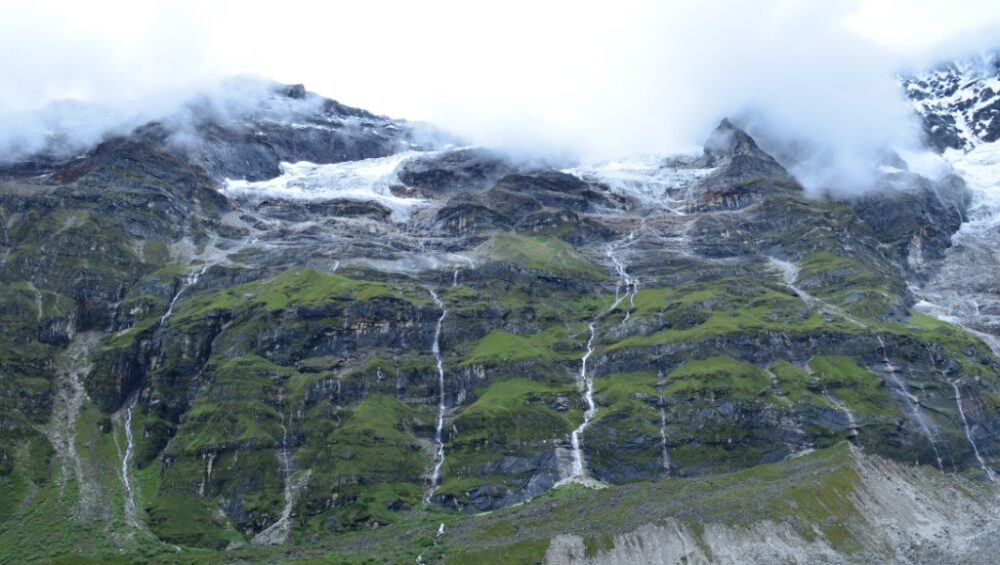
The rain transforms Bhutan’s valleys, forests and agricultural fields into vibrant shades of green. Waterfalls and streams are also at their most impressive, creating beautiful scenery throughout the countryside.
Summer can be a rewarding time to visit for travellers who don’t mind occasional rain and want to experience a greener and quieter side of Bhutan.
What to experience in summer
Lush green landscapes: Bhutan’s forests, rice fields and valleys become particularly vibrant during the summer months. The scenery offers a completely different atmosphere from the clearer and drier seasons.
Waterfalls and rivers: Summer rainfall brings waterfalls and streams to life, creating spectacular natural scenery along many of Bhutan’s roads and valleys.
Quieter travel: Travellers who prefer fewer visitors may enjoy summer. The season can provide a more peaceful experience at many attractions.
Outdoor adventures: Some trekking routes are suitable during the summer, although conditions depend heavily on altitude and the specific route. Bhutan’s official trekking information lists routes with trekking seasons extending into June, July, August and September.
Who should visit Bhutan in summer?
Summer can be a good choice for travellers who:
- Enjoy lush green scenery
- Prefer a quieter atmosphere
- Don’t mind occasional rain
- Want to experience Bhutan’s countryside during the growing season
- Are interested in specific summer trekking or nature experiences
Travellers should allow some flexibility in their itinerary because rain can occasionally affect road and flight conditions, particularly in areas where weather is more changeable.
Autumn in Bhutan: September to November
Autumn is one of the most popular seasons to visit Bhutan. As the monsoon gradually retreats, the weather generally becomes drier and the skies clearer.
September can still experience occasional rainfall, while October and November are often associated with pleasant weather and clearer mountain views.
For many travellers, autumn provides an excellent combination of comfortable sightseeing conditions, cultural experiences, trekking opportunities and spectacular Himalayan scenery.
What to experience in autumn
Clear mountain views: Clearer skies can provide excellent views of Bhutan’s mountain ranges and surrounding valleys, making autumn particularly attractive for photographers and nature lovers.
Trekking: Autumn is an excellent season for many of Bhutan’s trekking routes. The official tourism information lists autumn trekking periods for several routes, including the Druk Path, Gangtey and Jomolhari treks.
Bhutanese festivals: Autumn is an important festival season. Travellers can experience traditional mask dances, religious ceremonies and colourful local celebrations by planning their itinerary around the festival calendar.
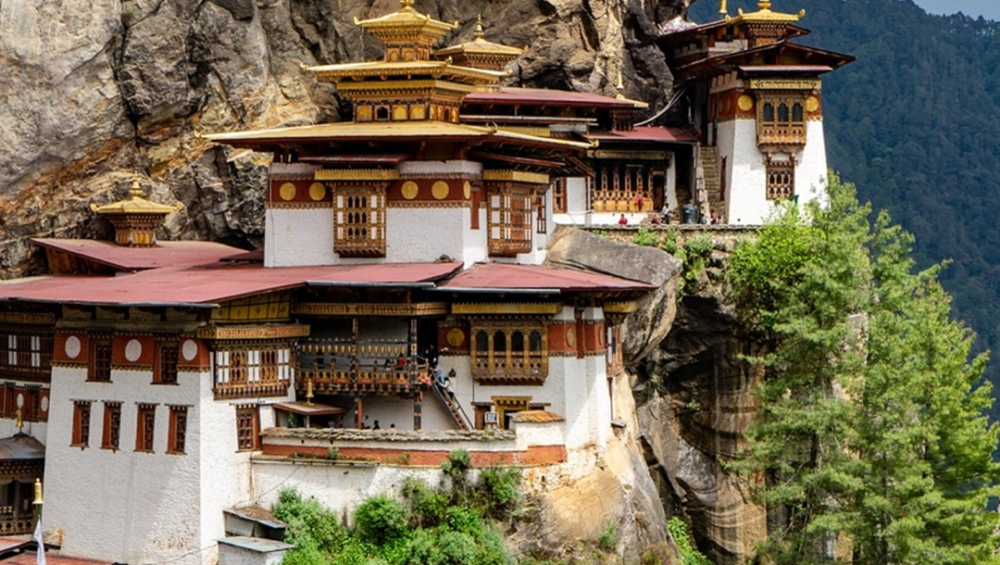
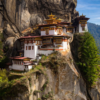
Tiger’s Nest: The hike to Paro Taktsang, popularly known as Tiger’s Nest, is one of Bhutan’s most memorable experiences. The generally pleasant autumn conditions can make it an enjoyable time to explore this iconic Himalayan monastery.
Harvest season: Autumn is also a wonderful time to observe rural Bhutanese life, as agricultural communities celebrate the results of the growing season and local produce becomes abundant.
Who should visit Bhutan in autumn?
Autumn is particularly suitable for travellers who want:
- Clearer skies and mountain views
- Trekking and hiking
- Cultural festivals
- Comfortable sightseeing
- Photography and scenic landscapes
Winter in Bhutan: December to February
Winter brings crisp air, cold nights and generally clear conditions to much of Bhutan. Temperatures vary considerably according to altitude, with higher areas experiencing much colder conditions.
Although winter is sometimes overlooked by international travellers, it can be an excellent season for those who enjoy peaceful surroundings, clear winter skies and unique seasonal experiences.
Snowfall is more common at higher elevations, while snow is less predictable in lower valleys such as Paro and Thimphu. Bhutan’s official tourism information notes that snowfall is common above approximately 3,000 metres, while the lower regions generally experience cold and dry winter conditions.
What to experience in winter
Clear winter skies: Crisp winter conditions can create excellent opportunities for mountain views and photography.
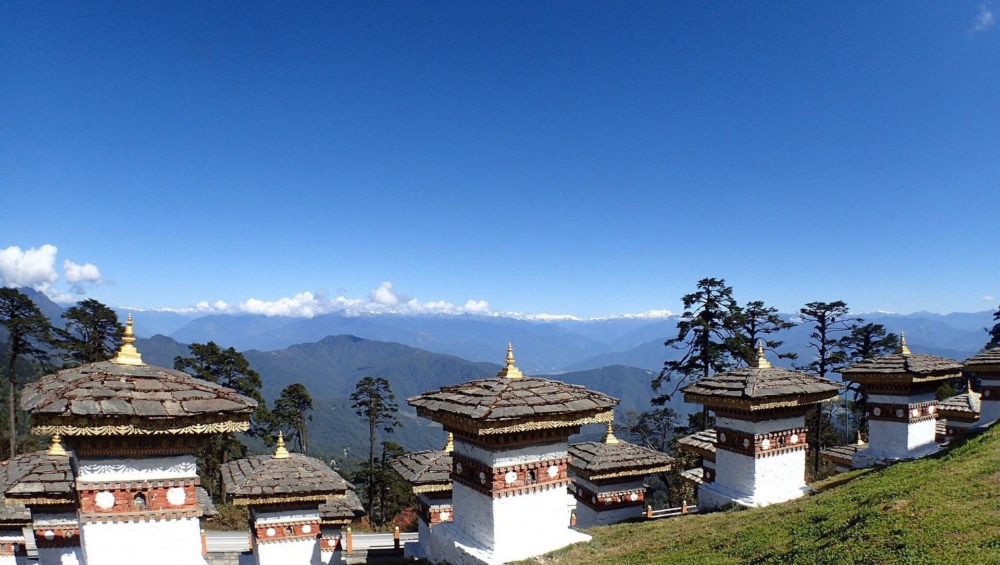
Dochula Pass: On clear days, Dochula Pass offers spectacular views of the Himalayan mountains and is a memorable stop on a journey between Thimphu and Punakha.
Phobjikha Valley: Winter is a particularly interesting time to visit Phobjikha Valley because of the seasonal arrival of black-necked cranes. These remarkable birds migrate to Bhutan for the winter months, making the valley a special destination for nature and birdwatching enthusiasts.
Winter festivals: Bhutan’s festival calendar continues through the winter months. Depending on the year and your travel dates, you may be able to experience festivals such as Punakha Dromche and other regional celebrations.
Peaceful sightseeing: Winter can appeal to travellers who prefer a quieter atmosphere and want to experience Bhutan without the busier feel associated with the most popular travel periods.
Who should visit Bhutan in winter?
Winter can be ideal for travellers who want:
- Peaceful and less crowded experiences
- Crisp winter days
- Himalayan mountain views
- Black-necked crane experiences
- Winter festivals and cultural experiences
Best Month to Visit Bhutan
Choosing the best time to visit Bhutan depends on your interests, preferred activities and the regions you want to explore.
March: A transition into spring, with cool conditions and the beginning of the flowering season.
April: An excellent month for spring landscapes, sightseeing, nature and outdoor activities.
May: Warmer spring conditions and a good period for nature, hiking and selected trekking routes.
June: The beginning of the summer period, with increasingly green landscapes and occasional rain.
July: Lush scenery and waterfalls, although rainfall can be more frequent.
August: Green landscapes and a quieter travel atmosphere, with weather influenced by the monsoon.
September: The transition from summer towards autumn, with improving conditions as the monsoon begins to retreat.
October: One of the most popular months for sightseeing, trekking, festivals and clearer mountain views.
November: Pleasant autumn conditions, with cooler temperatures and excellent opportunities for mountain scenery and seasonal experiences.
December: The beginning of winter, bringing crisp air and peaceful landscapes.
January and February: Cold but often clear winter months, with opportunities for winter scenery, cultural experiences and black-necked crane viewing in suitable locations.
Best Time to Visit Bhutan for Different Experiences
Best Time for Trekking
Spring and autumn are popular seasons for trekking in Bhutan, including the Druk Path Trek. The ideal period depends on the specific trek, altitude and route conditions. Some high-altitude treks have different seasonal windows, so travellers should select their trekking dates according to the particular route.
Best Time for Festivals
Bhutan has festivals throughout the year, so the best time depends on which festival you want to experience. If attending a particular festival is important to you, plan your trip around its official dates rather than choosing a season first. Bhutan publishes annual festival calendars with dates and locations.
Best Time for Clear Mountain Views
Autumn and winter can offer excellent opportunities for clear mountain views, particularly during periods of stable weather. However, mountain visibility can never be guaranteed because weather conditions can change quickly in the Himalayas.
Best Time for Flowers and Nature
Spring is particularly attractive for travellers interested in flowers and fresh green landscapes. It is also a strong period for birdwatching and nature experiences.
Best Time for a Quieter Bhutan Experience
Summer and winter can be attractive to travellers who prefer a quieter atmosphere. Summer offers lush green scenery, while winter provides crisp days and peaceful landscapes.
What to Pack for Bhutan
What you pack should depend on the season, altitude and activities included in your itinerary.
For spring and autumn, bring comfortable layers because temperatures can vary between daytime and evening.
For summer, lightweight clothing, a waterproof jacket and comfortable walking shoes are useful because rainfall can occur.
For winter, bring warm layers, a good jacket, gloves and other cold-weather clothing, particularly if your itinerary includes higher elevations.
For trekking and hiking, suitable footwear is especially important. A waterproof layer, warm clothing and a small daypack are also useful.
Regardless of the season, comfortable walking shoes are recommended because many of Bhutan’s most memorable attractions involve walking or hiking.
So, When Is the Best Time to Visit Bhutan?
The best time to visit Bhutan ultimately depends on the experience you want.
Choose spring for flowers, festivals, nature and outdoor adventures.
Choose summer for lush green valleys, waterfalls and a quieter atmosphere.
Choose autumn for trekking, festivals, pleasant weather and clearer mountain scenery.
Choose winter for peaceful journeys, crisp winter landscapes, seasonal festivals and black-necked cranes.
There is no wrong season to discover Bhutan. Each season reveals a different side of the Kingdom, and choosing the right travel period can help you experience Bhutan in a way that matches your interests and travel style.
Plan Your Bhutan Journey
Not sure which season is right for your Bhutan trip?
At Prestige Travel Bhutan, we can help you choose the best time to travel based on your interests, preferred activities and the places you want to explore.
Whether you are looking for a cultural journey, a festival experience, a Himalayan trek or a relaxing holiday, we can help you plan a personalized Bhutan itinerary.
Start planning your Bhutan journey with us on WhatsApp.