Why Travel to Bhutan?
Why travel to Bhutan? Bhutan is a unique Himalayan destination where ancient traditions, breathtaking landscapes, spirituality, and sustainable development come together. From sacred monasteries and historic fortresses to peaceful valleys, pristine forests, and vibrant local communities, Bhutan offers travelers an opportunity to experience a way of life deeply rooted in culture and harmony with nature.
For travelers wondering why travel to Bhutan, the answer lies in its living culture, spectacular landscapes, spirituality, and warm hospitality.
Why Travel to Bhutan: Culture, Nature and Experiences
Bhutan offers more than beautiful scenery. It is a destination where travelers can slow down, connect with local culture, and experience a distinctive way of life.
Known for its philosophy of Gross National Happiness (GNH), Bhutan places importance on cultural preservation, environmental conservation, sustainable development, and the well-being of its people. These values can be experienced throughout the country, from its traditional architecture and religious festivals to its protected forests and welcoming communities.
Whether you are interested in culture, spirituality, nature, adventure, photography, or simply seeking a peaceful escape, Bhutan offers meaningful experiences that go beyond conventional sightseeing.
A Living Buddhist Heritage
Buddhism is deeply woven into Bhutanese culture and everyday life. Monasteries, temples, dzongs, prayer flags, and sacred sites can be found throughout the country, while centuries-old traditions continue to be practiced by local communities.
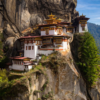
Among Bhutan’s most iconic experiences is a visit to Tiger’s Nest Monastery (Taktsang), dramatically perched on a cliff above the Paro Valley. The site is closely associated with Guru Rinpoche, who is believed to have meditated there in the eighth century.
Beyond Tiger’s Nest, travelers can discover numerous temples, monasteries, dzongs, and sacred sites throughout Bhutan, each offering a glimpse into the country’s spiritual heritage and history. Bhutan’s official tourism information describes Buddhism as deeply integrated into daily life, rather than being limited to formal religious occasions.
Thimphu: Where Tradition Meets Modern Life
As the capital of Bhutan, Thimphu offers an interesting blend of traditional Bhutanese culture and modern life.
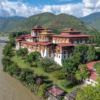
The city is home to important landmarks such as the Buddha Dordenma Statue, Tashichho Dzong, and the National Memorial Chorten. At the same time, visitors can explore local markets, traditional handicrafts, cafés, and everyday Bhutanese life.
Thimphu provides a gentle introduction to contemporary Bhutan while retaining the country’s distinctive architectural and cultural character.
Chimi Lhakhang and Bhutanese Traditions
Located between Thimphu and Punakha, Chimi Lhakhang is a revered temple associated with Lama Drukpa Kunley, popularly known as the Divine Madman.
The temple is surrounded by traditional villages and agricultural landscapes, offering travelers an opportunity to experience rural Bhutan alongside its religious heritage.
A visit to Chimi Lhakhang is not only about seeing a historic temple; it is also an opportunity to understand the stories, beliefs, and traditions that continue to shape Bhutanese culture.
Nature and Wildlife
Bhutan’s natural environment is one of its greatest treasures. More than 70% of the country remains forested, and Bhutan is widely recognized as the world’s first carbon-negative country. Its forests, protected areas, and diverse ecosystems support a remarkable variety of plants and wildlife.
The country’s protected landscapes provide opportunities for hiking, trekking, birdwatching, photography, and nature exploration.
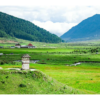
Phobjikha Valley is particularly renowned for its beautiful landscape and as a seasonal habitat for the endangered black-necked crane. Bhutan is also home to more than 770 recorded bird species, making it an appealing destination for birdwatchers and nature enthusiasts.
Why Travel to Bhutan for Culture and Festivals
Bhutan’s cultural heritage is not preserved only in museums or historic buildings—it remains part of everyday life.
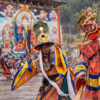
Traditional festivals, known as Tshechus, bring communities together through masked dances, music, religious ceremonies, and colorful celebrations. Experiencing a festival can provide visitors with a deeper understanding of Bhutanese beliefs, traditions, and community life.
Beyond festivals, travelers can encounter traditional arts and crafts, archery, local markets, village life, and Bhutanese architecture throughout their journey.
Discover Bhutanese Cuisine
Food is an important part of experiencing Bhutanese culture. Bhutanese cuisine is known for its bold flavors, locally sourced ingredients, and generous use of chillies.
A must-try dish is Ema Datshi, a traditional combination of chillies and cheese, often served with red rice. Other local specialties include dishes prepared with buckwheat, vegetables, meat, and traditional ingredients.
Visitors can also experience Bhutanese hospitality through traditional meals and, where appropriate, local dining experiences that provide a closer connection to everyday Bhutanese life. Bhutan’s official tourism information highlights chillies, cheese, red rice, buckwheat, and butter among the country’s distinctive culinary ingredients.
Why Travel to Bhutan? A Different Approach to Tourism
One of the things that makes Bhutan distinctive is its approach to tourism.
Bhutan follows a high-value, low-impact tourism policy, designed to protect the country’s environment and cultural heritage while creating sustainable benefits for its people. The approach is closely connected with Bhutan’s broader philosophy of Gross National Happiness and environmental conservation.
For travelers, this means Bhutan can offer a more peaceful and meaningful experience, away from the crowds often associated with mass tourism.
Bhutan’s Commitment to Sustainability
Bhutan’s commitment to environmental conservation is an important part of its national identity.
The country maintains extensive forest cover and has established national parks, wildlife sanctuaries, protected areas, and biological corridors to conserve its natural heritage. Bhutan’s official tourism information notes that almost 42% of the country is covered by five national parks, four wildlife sanctuaries, and a nature reserve connected by biological corridors.
By visiting Bhutan responsibly and supporting local tourism businesses, travelers can contribute to an approach that values both cultural preservation and environmental sustainability.
Visa and Travel Information
Visitors of most nationalities need a visa before traveling to Bhutan. Indian nationals travel under a permit system, while travelers from Bangladesh and the Maldives have additional visa options. Visa applications can be completed online, or a licensed Bhutanese tour operator can assist with the process on the traveler’s behalf.
The Sustainable Development Fee (SDF) is a daily levy paid by visitors and supports initiatives related to education, healthcare, environmental conservation, cultural preservation, infrastructure, and local economic development.
Travel requirements and fees can change, so travelers should always check the latest official information before planning their journey.
Why Travel to Bhutan for a More Meaningful Experience
There are many reasons why travel to Bhutan offers a more meaningful experience than a typical holiday.
Here, ancient traditions continue alongside modern life, sacred places remain part of everyday culture, and spectacular landscapes are protected for future generations. Whether you come to explore its spiritual heritage, walk through peaceful valleys, discover Bhutanese cuisine, experience local traditions, or simply enjoy the tranquility of the Himalayas, Bhutan offers opportunities to travel at a different pace.
At Prestige Travel Bhutan, we create personalized Bhutan cultural tours that allow you to experience country’s culture, nature, spirituality, and hospitality in a meaningful and comfortable way.
Ready to discover Bhutan? Start planning your journey with us.