Hot Stone Bath Bhutan is a traditional wellness experience that offers travellers a relaxing way to experience an important part of Bhutanese culture.
Unlike a modern spa treatment, a traditional hot stone bath is closely connected to Bhutanese rural life. The experience combines naturally heated river stones, warm water, traditional wooden bath chambers, and, in some places, locally gathered herbs and plants. For visitors, it is a simple yet memorable way to slow down and experience a quieter side of Bhutan.
What Is a Traditional Bhutanese Hot Stone Bath?
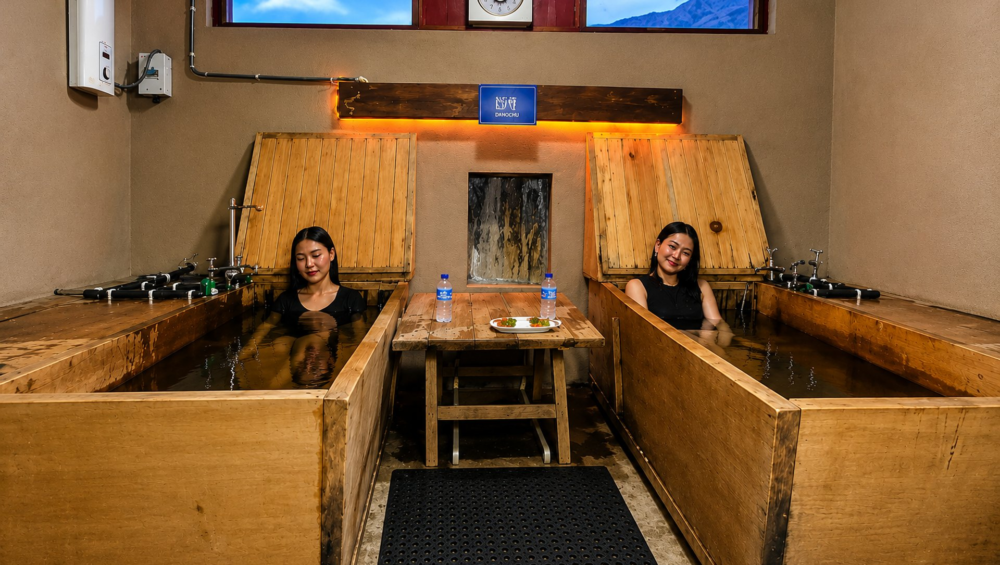
A traditional Bhutanese hot stone bath is prepared using smooth river stones that are heated over a wood fire until they become extremely hot. The heated stones are then carefully placed into a wooden or stone bathing chamber filled with water.
As the hot stones gradually heat the water, the temperature can be adjusted by adding or removing stones and fresh water. Depending on the location and traditional preparation, local herbs or plants may also be added to the bath.
The process reflects Bhutan’s long-standing relationship with nature and the practical traditions that have been passed down through generations in rural communities.
The Cultural Tradition of Dotsho
More than simply a relaxing bath, Dotsho reflects Bhutan’s close connection with nature and traditional ways of life. Hot stone baths have traditionally been enjoyed by families and communities after a day of work, particularly in rural parts of Bhutan.
The bath can also be a social experience, with family members and friends spending time together while enjoying the warm water and peaceful surroundings. This combination of relaxation, community, and traditional knowledge makes Dotsho a distinctive part of Bhutanese cultural heritage.
For travellers, experiencing a traditional hot stone bath provides an opportunity to enjoy a living local tradition rather than simply visiting another sightseeing attraction.
What to Expect During a Hot Stone Bath in Bhutan
A traditional hot stone bath is generally a quiet and relaxing experience. After sightseeing, hiking, or travelling through Bhutan’s mountain roads, soaking in warm water can be a welcome way to unwind.
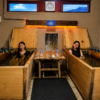
The setting varies depending on where the experience is arranged. Some baths are found at traditional farmhouses and rural properties, while selected accommodations may offer a more comfortable setting inspired by the traditional experience.
Visitors should follow the instructions provided by their host, particularly regarding water temperature and the handling of heated stones. The experience is best enjoyed slowly, giving travellers time to appreciate the warmth of the bath and the peaceful surroundings.
Where to Experience a Traditional Hot Stone Bath in Bhutan
Traditional hot stone baths can be experienced in different parts of Bhutan, particularly in rural communities and at selected accommodations that offer traditional Bhutanese experiences. Paro is one of the most accessible places for visitors to experience this traditional wellness practice.
The experience can also be combined with a visit to Punakha as part of a longer journey through Bhutan.
Availability and facilities vary from place to place, so travellers interested in experiencing Dotsho should arrange it in advance through their accommodation or tour operator. For official information about travelling in Bhutan, visitors can refer to the Bhutan Department of Tourism.
A hot stone bath can be especially enjoyable after a day of sightseeing or hiking. Depending on your itinerary, it can complement visits to Thimphu and Paro, cultural experiences, village visits, and time spent exploring Bhutan’s countryside.
A Relaxing Way to Experience Bhutanese Culture
For travellers looking beyond Bhutan’s famous monasteries, dzongs, and mountain landscapes, a traditional hot stone bath offers something different. It brings together nature, local traditions, hospitality, and relaxation in one memorable experience.
After a day of sightseeing or hiking, taking time to enjoy a traditional Dotsho can provide a peaceful pause in your journey and a deeper appreciation of Bhutan’s living cultural heritage.
Discover Bhutan beyond its famous landmarks – experience its traditions, hospitality, and way of life.