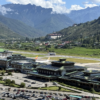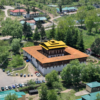
Thimphu, the capital city of Bhutan, offers a fascinating blend of tradition, spirituality, and modern development. Nestled in a scenic Himalayan valley, Thimphu is the political and administrative heart of Bhutan while still preserving the country’s distinctive culture, architecture, and way of life.
Unlike many modern capitals, Thimphu has no traffic lights and retains a relaxed atmosphere where traditional Bhutanese buildings, monasteries, local markets, and contemporary businesses exist alongside one another. Exploring the city provides visitors with an opportunity to experience both the everyday life of Bhutan and its rich cultural heritage.
Tashichho Dzong
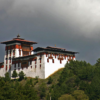
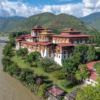
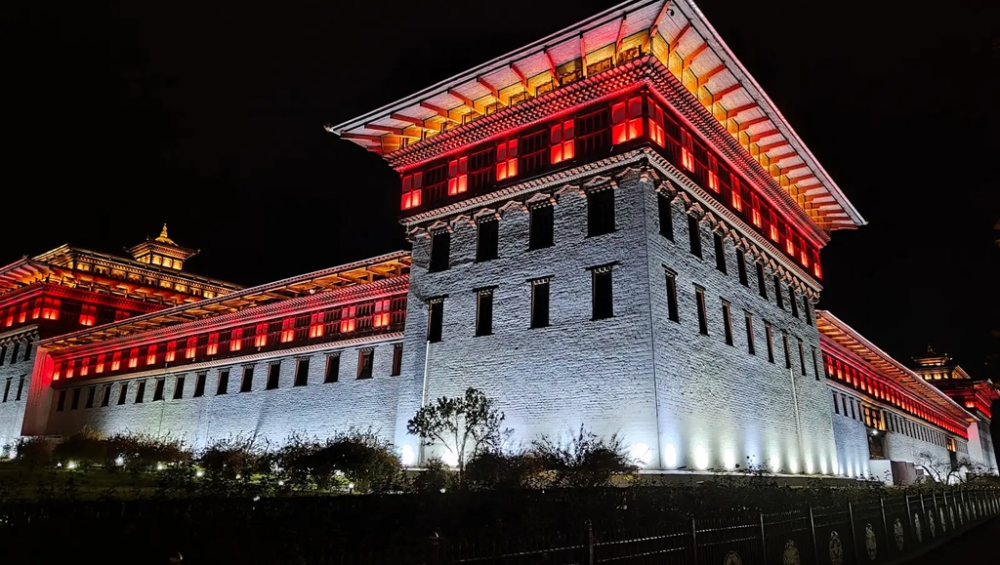
One of Thimphu’s most important landmarks is Tashichho Dzong, an impressive fortress-monastery located beside the Wang Chhu River. The dzong is an important centre of Bhutanese government and also serves as the summer residence of the central monastic body.
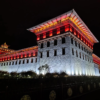
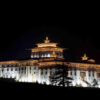
Its beautifully decorated courtyards, traditional Bhutanese architecture, and surrounding gardens make it one of the highlights of a visit to Thimphu. The dzong is particularly striking in the evening when its illuminated white walls and traditional wooden details create a memorable sight.
Buddha Dordenma Statue
Overlooking Thimphu Valley is the magnificent Buddha Dordenma, one of the world’s largest seated Buddha statues. Standing on a hilltop at Kuensel Phodrang, the statue offers spectacular panoramic views across the capital and surrounding mountains.
The peaceful surroundings make it an ideal place for reflection and photography. Visitors can also appreciate the intricate Buddhist artwork and statues within the meditation hall beneath the main statue.
Memorial Chorten
Located in the heart of Thimphu, the Memorial Chorten is one of the city’s most visited religious landmarks. Locals frequently visit the chorten to pray and walk around it in a clockwise direction, making it a wonderful place to observe an important part of everyday Bhutanese spiritual life.
The golden details, traditional architecture, and constant movement of devotees create a peaceful yet lively atmosphere that offers visitors a meaningful cultural experience.
Exploring Thimphu Bhutan: Culture and Local Life
Thimphu offers several places where visitors can learn more about Bhutanese traditions and daily life. The National Textile Museum provides insight into Bhutan’s distinctive weaving traditions, while the Folk Heritage Museum offers a glimpse into traditional Bhutanese rural life.
For those interested in local wildlife, the Motithang Takin Preserve provides an opportunity to see Bhutan’s national animal, the takin. Visitors can also explore local markets and shops to discover Bhutanese handicrafts, textiles, traditional clothing, and locally produced goods.
Walking through the city is another enjoyable way to experience Thimphu. The streets provide a chance to observe traditional architecture, local businesses, cafés, restaurants, and the daily rhythm of Bhutanese life.
Thimphu Bhutan: Things to Do
A visit to Thimphu can include a variety of cultural and sightseeing experiences:
- Visit Tashichho Dzong and admire its traditional architecture.
- Enjoy panoramic views of the valley from Buddha Dordenma.
- Experience the spiritual atmosphere of Memorial Chorten.
- Learn about Bhutanese weaving and handicrafts at the National Textile Museum.
- Discover traditional Bhutanese life at the Folk Heritage Museum.
- Visit the Motithang Takin Preserve to see Bhutan’s national animal.
- Explore local markets and shops for traditional handicrafts and souvenirs.
- Enjoy Bhutanese cuisine and experience the city’s relaxed café and restaurant culture.
Thimphu Bhutan: Best Time to Visit
Thimphu can be visited throughout the year, with each season offering a different experience.
Spring and autumn are particularly pleasant for sightseeing, with generally comfortable conditions and beautiful mountain scenery. Summer brings greener landscapes, while winter offers crisp mountain views and a quieter atmosphere.
The city also becomes especially vibrant during important Bhutanese festivals, when visitors can experience traditional dances, music, religious ceremonies, and colourful cultural celebrations.
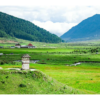
If you are planning to explore more of Bhutan, you can also visit Punakha, known for its beautiful valley, historic dzong, and scenic landscapes.
For official travel information and updates, visit the Bhutan Department of Tourism
Why Visit Thimphu?
Thimphu is more than just Bhutan’s capital. It is a place where visitors can experience the country’s living traditions while discovering its modern side. From impressive dzongs and Buddhist landmarks to local markets, museums, traditional crafts, and mountain viewpoints, the city offers a well-rounded introduction to Bhutan.
Whether you are visiting Bhutan for the first time or returning to discover more, Thimphu provides an authentic introduction to the culture, spirituality, and everyday life of the Kingdom of Bhutan.
For more ideas, explore our guide to Bhutanese cultural experiences you should not miss.
Many travelers combine Thimphu with Paro and Punakha to experience some of Bhutan’s most important cultural destinations.
Plan your Bhutan journey with Prestige Travel Bhutan and discover the cultural heart of Thimphu.